
In Seattle, tree roots are responsible for more than 50% of all sewer line clogs and breaks. Consistent rainfall, wet soil, and decades-old clay pipes create ideal conditions for invasive species like willow, bigleaf maple, and spruce to invade pipes and trigger costly repairs. This comprehensive guide reveals the 7 most dangerous tree species in Seattle yards, explains exactly how roots penetrate and destroy pipes, points out early warning signs to look out for before disaster strikes, and—most importantly—offers proven and practical prevention strategies (root barriers, tree-safe alternatives, and maintenance tips) so you can keep both your plumbing and your beautiful Pacific Northwest landscape safe and sound.
Why Seattle’s Trees Threaten Your Sewer Lines
Seattle’s lush, evergreen canopy is a hallmark of Pacific Northwest living, with over 1.2 million street trees lining neighborhoods from Capitol Hill to Ballard. But beneath the beauty lies a hidden hazard: aggressive tree roots seeking moisture in our region’s constant drizzle. These roots can infiltrate sewer lines, causing clogs, cracks, and collapses that lead to backups, flooding, and significant repair work.
In Seattle, factors like shallow soil, wet winters, and older vitrified clay pipes (common in homes built before 1970) make root intrusion a frequent problem. Roots enter through tiny joints or fissures as small as 1/8 inch, drawn by the nutrient-rich wastewater. Once inside, they expand, obstructing flow and worsening issues during fall rains when roots naturally swell.
This guide breaks down the culprits, symptoms, and solutions so you can safeguard your home without sacrificing greenery. By understanding root biology and local risks, you’ll make informed choices for a root-free future.
How Tree Roots Invade and Destroy Sewer Pipes
Tree roots aren’t villains by design—they’re survivors. In Seattle’s moist climate, roots grow 2–3 times a tree’s height, often 6–8 feet deep, hunting water and oxygen. Sewer lines, buried just a few feet underground, mimic natural streams with their leaks and condensation.
Root invasion usually occurs in stages:
Exploration Phase: Feeder roots detect moisture vapor seeping from pipe joints.
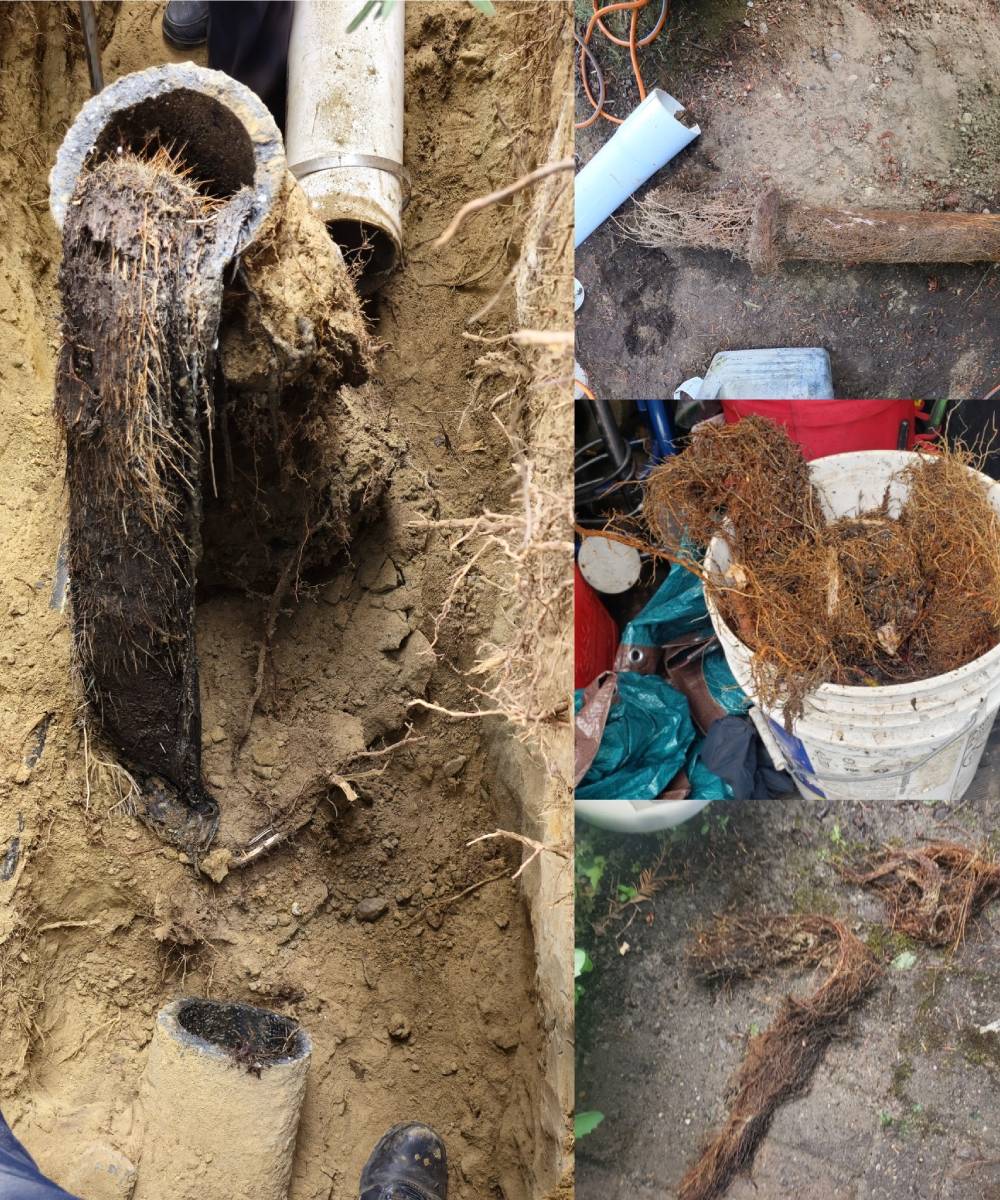
Penetration: Tips as fine as hair threads enter cracks and widen them over time.
Expansion: Thick mats form inside pipes, reducing flow and trapping debris.
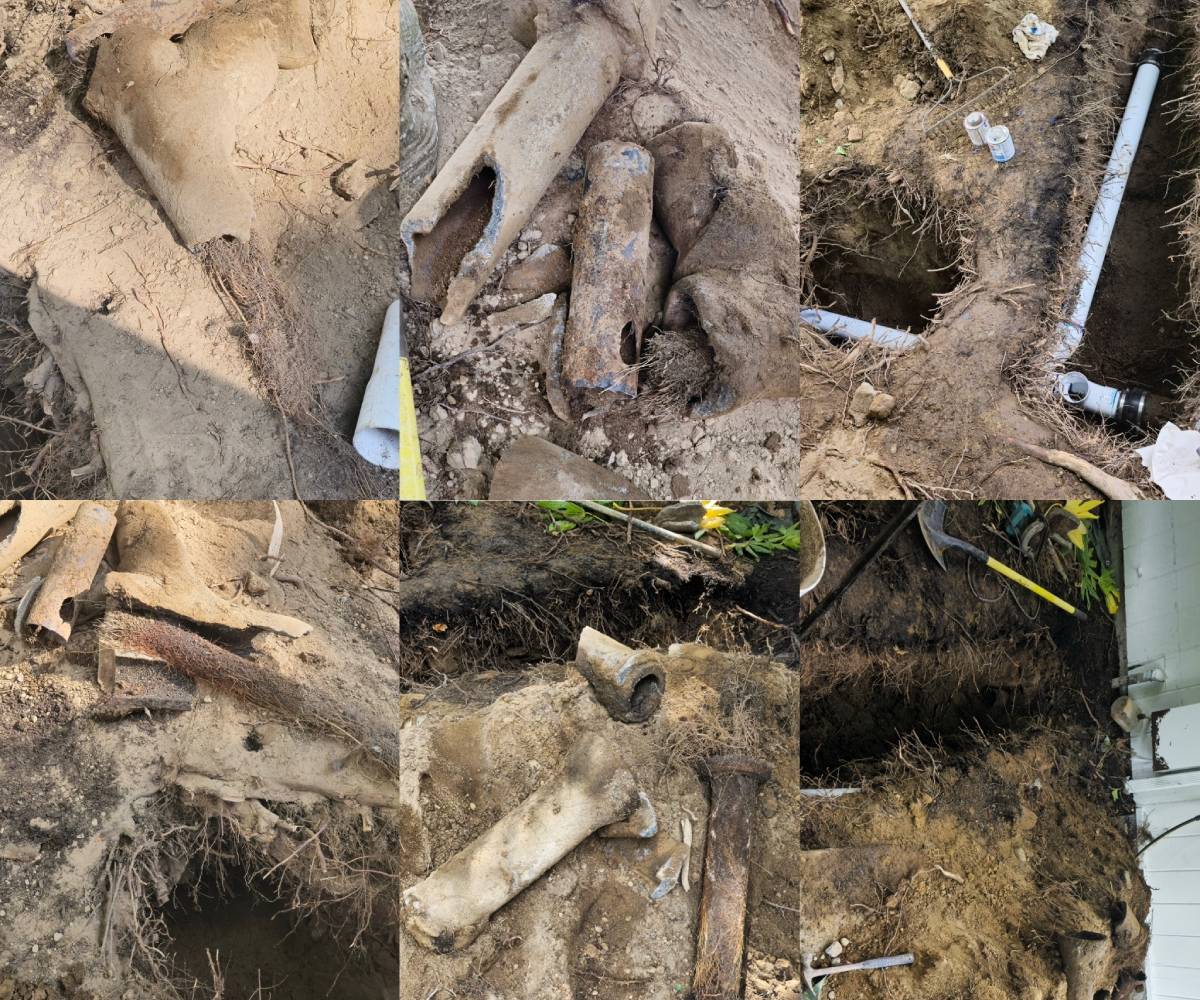
Destruction: Continued growth exerts pressure that can break clay or concrete pipes.
Older pipes are especially vulnerable. In shared lines—common in neighborhoods like Queen Anne or Fremont—one tree can impact multiple homes. Without intervention, a minor intrusion can become a full blockage surprisingly quickly.

Top 7 Dangerous Trees in Seattle Yards
Not all trees pose equal risk. Fast-growing species with wide, fibrous root systems are consistently the most problematic. Based on local plumbing observations and Seattle urban forestry patterns, here are the top offenders.
(Pro tip: Plant trees at least 10–20 feet from known sewer routes.)
| Tree Species | Why It’s Dangerous | Root Spread (x Tree Height) | Common Seattle Locations | Annual Repair Risk |
|---|---|---|---|---|
| Willow (Salix spp.) | Highly fibrous, moisture-seeking roots; rapidly invades cracks in wet soil. | 2–3x | Lake Washington shores, wetlands | High |
| Bigleaf Maple (Acer macrophyllum) | Shallow, wide roots thrive in clay-loam; strongly invasive in older pipe systems. | 2.5x | Capitol Hill, Ravenna Park | High |
| Poplar (Populus spp.) | Fast-growing with sprawling roots; often spreads beyond intended area. | 2–3x | Ballard, Fremont riverbanks | Very High |
| Silver Maple (Acer saccharinum) | Horizontal root growth aggressively seeks leaks. | 3x | West Seattle | Medium–High |
| Oak (Quercus spp.) | Strong lateral roots capable of exerting pressure on nearby pipes. | 2x | Beacon Hill | Medium |
| Elm (Ulmus spp.) | Dense rooting networks dominate soil around infrastructure. | 2.5x | University District | Medium |
| Birch (Betula spp.) | Shallow roots spread widely in compacted soils. | 2x | Green Lake, Magnolia | Medium |
These species account for the majority of root-intrusion plumbing calls in Seattle. Avoid planting them close to sewer lines.
Signs Your Sewer Line Is Under Root Attack
Root damage often develops quietly, but early clues can prevent major headaches. Watch for:
Slow Drains: Toilets gurgling or sinks draining sluggishly.
Wet Spots: Patches of unusually lush grass above sewer routes.
Foul Odors: Sewage smells indoors or outdoors.
Sewer Backup: Water rising in floor drains during household water use.
Increased Water Usage: Undetected leaks feeding roots can trigger higher bills.
If multiple symptoms appear at once, calling a professional is the safest option—roots often indicate deeper structural issues.
Preventing Root Intrusion: Expert Strategies
Prevention is easier and far less disruptive than dealing with damage. Here’s a layered, Seattle-specific defense plan:
Map Your Lines: Use Seattle Public Utilities’ Side Sewer Viewer tool or call 811 before planting or digging.
Install Root Barriers: Deep plastic or metal barriers block root pathways effectively when placed correctly.
Upgrade Pipe Materials: PVC or epoxy-lined pipe sections provide far greater resistance to intrusion.
Routine Maintenance: Periodic hydro-jetting removes early root growth, and camera inspections help detect issues before they worsen.
Chemical Controls: Foaming root treatments can stop roots inside pipes while leaving the tree healthy.
Landscaping Techniques: Mulching helps retain soil moisture, reducing the tendency of roots to seek out water from pipes.
Inspections during rainy seasons are especially valuable, since root activity is highest when soil is saturated.
Safe Tree Alternatives for Seattle Landscapes
You don’t need to give up greenery to protect your plumbing. Choose species with compact, non-invasive root systems suited to Seattle’s climate (USDA Zone 8b):
Japanese Maple (Acer palmatum): Elegant, manageable size; shallow and slow-growing roots.
Redbud (Cercis canadensis): Beautiful spring blooms and moderate root spread.
Serviceberry (Amelanchier spp.): Attractive form with edible berries and non-aggressive roots.
Crape Myrtle (Lagerstroemia indica): Vibrant flowers and contained root structure.
Dogwood (Cornus spp.): Native beauty with minimal root spread.
Cherry Trees (Smaller Varieties): Compact, flowering options that pose low risk to utilities.
For best results, plant at a reasonable distance from pipes and water deeply but infrequently.
When to Call in the Pros: Inspection and Repair
Homeowners can easily miss early signs of root intrusion. Professional services offer precise diagnostics and long-term solutions:
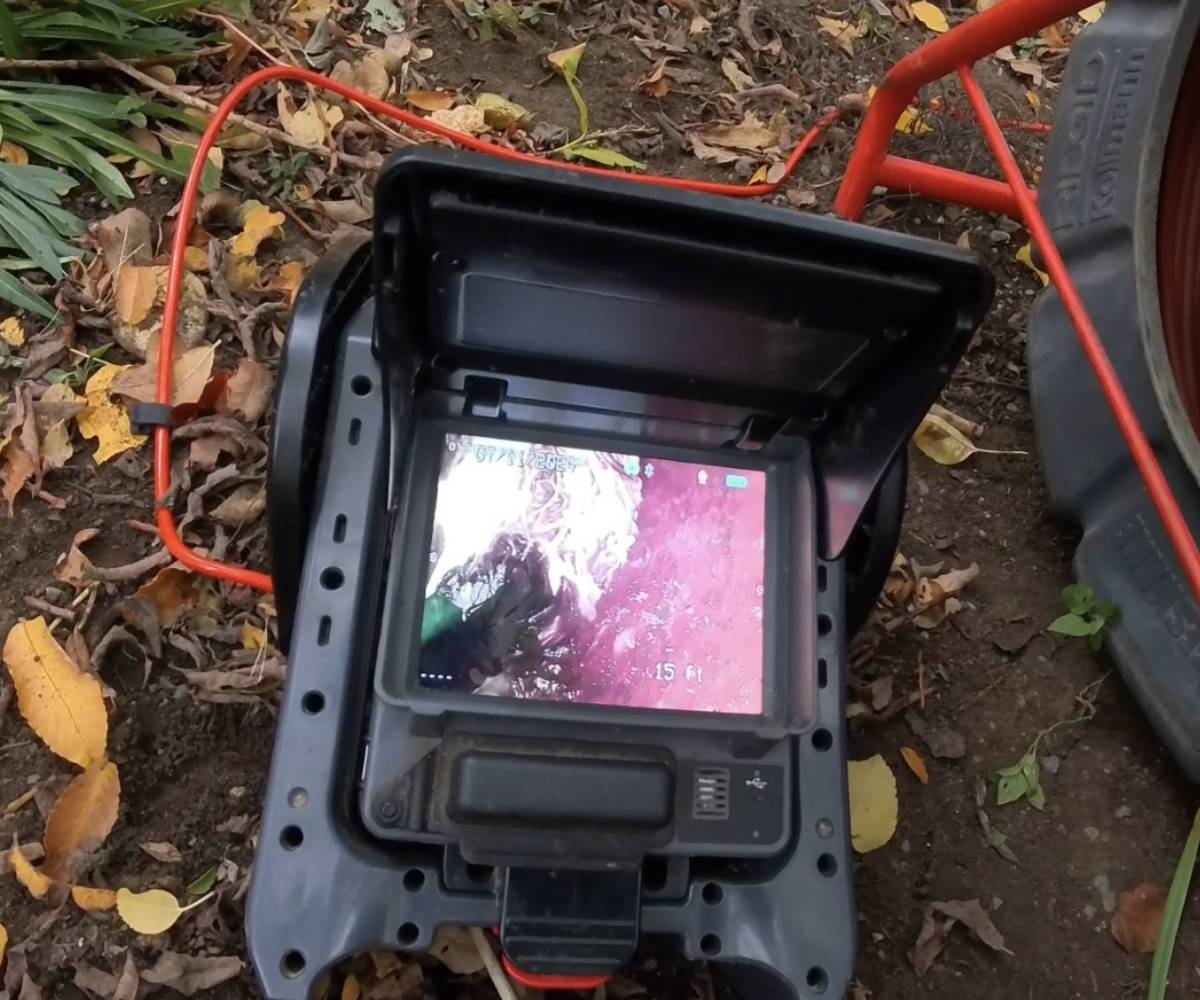
Camera Scoping: Visual confirmation of root intrusion and pipe condition.
Hydro-Jetting: High-pressure water equipment clears roots and debris without chemicals.
Trenchless Repair: Modern lining or bursting methods reinforce or replace pipes with minimal yard disruption.
Full Replacement (If Needed): For severely damaged lines, complete replacement ensures long-term stability.
If you experience repeated backups or live in an older Seattle neighborhood with mature trees nearby, scheduling periodic inspections is wise.
For personalized assessments in Seattle, KnightRooter specializes in root detection and eco-safe solutions. With advanced camera technology and trenchless methods, they help homeowners prevent costly sewer disasters.
Optimize your landscape—and your peace of mind—with a professional evaluation today.
Explore More Resources
For more information on sewer line maintenance and repair, visit our service pages:
- Camera Inspection Everett
- Camera Inspection Edmonds
- Camera Inspection Seattle
- Camera Inspection bothell
- Camera Inspection Kirkland
- Camera Inspection Lynnwood
- Camera Inspection Woodinville
- Camera Inspection Snohomish
- Camera Inspection Bellevue
AFQ
1. How far should I plant trees from sewer lines in Seattle?
At least 10 feet for small trees, 20+ for large ones. Use the tree’s mature height as a guide—e.g., 20 ft tree needs 20 ft clearance.
2. Can I kill roots without harming the tree?
Yes, targeted foaming agents like copper sulfate kill intruders inside pipes but spare the canopy. Reapply every 6 months.
3. Do new PVC pipes prevent root damage entirely?
Mostly—sealed joints resist entry better than clay. But cracks from settling can still invite roots; inspect every 5 years.
4. Who’s responsible for root damage in shared Seattle sewers?
Property owners handle laterals to the main; city covers mains. Check easements via SDCI for disputes.
5. Are native Seattle trees always risky?
No—bigleaf maples are, but dogwoods aren’t. Prioritize non-thirsty natives for eco-friendly yards.
For professional and fast drain cleaning Bothell, drain cleaning Seattle, and drain cleaning Bellevue, contact KnightRooter. Our team is ready to provide the best solutions for your drain issues.

No comment yet, add your voice below!