
Keeping your sewer line healthy is essential for protecting your home, preventing costly structural damage, and avoiding hazardous sewage exposure. The challenge? A failing sewer line rarely announces itself with an immediate bad odor or obvious leak. Instead, it sends early, silent warning signs that many homeowners overlook—until a catastrophic collapse forces emergency repairs.
This in-depth educational guide explains the subtle red flags, why they happen, and how to respond before the situation becomes an expensive disaster.
1. Slow Drains Across Multiple Fixtures
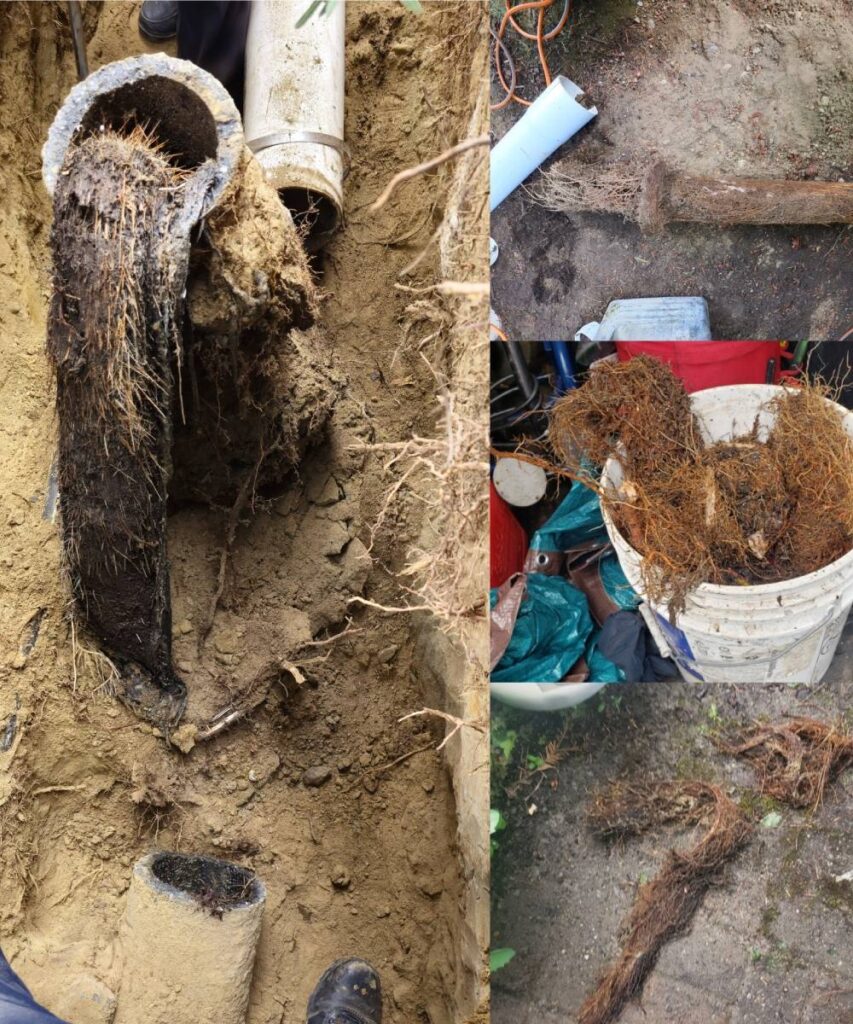
A single slow drain usually indicates a local clog. But when multiple drains—toilets, sinks, showers—start draining slowly, it points to a much deeper issue. This happens when debris, tree roots, grease buildup, or pipe deterioration restricts the main sewer line.
Why This Matters
When the main sewer pipe is stressed or partially collapsed, water cannot move efficiently. Pressure builds inside the system, increasing the risk of complete failure.
2. Unexplained Green or Sunken Patches in the Yard
If parts of your yard suddenly look unusually lush, bright green, or sunken, it may not be a gardening miracle.
What’s Happening?
Sewage leaking underground works as fertilizer, causing grass to thicken and brighten. Meanwhile, soil erosion caused by leaks can create dips or sink-like areas. Both are early structural warning signs.
Ignoring this can eventually lead to ground collapse or surface break-through.
3. Frequent Backups or Gurgling Sounds
If your toilet, bathtub, or sink repeatedly backs up — especially after cleaning or snaking — your sewer line may not simply be clogged; it may be structurally compromised.
Listen Carefully
Gurgling noises indicate trapped air caused by pressure imbalances in a damaged pipe. This noise is one of the most reliable early collapse signals.
4. Foundation Cracks, Soil Shifts, and Structural Stress
Sewer leaks saturate the surrounding soil. Over time, this causes soil instability, which places enormous pressure on your home’s foundation.
Warning Indicators
- New cracks in walls or floors
- Warped flooring
- Door or window misalignment
Foundation problems tied to sewer leaks can cost significantly more than repairing the sewer line itself — which is why early detection is critical.
5. Unpleasant Sewer Odors Indoors or Outdoors
A healthy sewer system is sealed tight. If you smell sewage indoors, outdoors, or near drains, something has already gone wrong.
Why You Should Never Ignore This
Persistent sewer odors often indicate:
- Broken or cracked pipes
- Compromised seals
- Structural deterioration
A collapsing sewer line can expose your family to harmful bacteria, methane gas, and toxic contaminants.
6. Pest Activity Around Your Home
Rats, insects, and other pests are naturally drawn to sewer lines. When cracks or collapses occur, they create new entry pathways directly toward your home.
Early Clues
- More pests than usual around the yard
- Rodents near utility lines
- Insects inside the home despite normal cleanliness
Pest presence often indicates sewer structural damage you cannot see.
7. Sudden Water Bill Changes or Standing Water
A sewer collapse can lead to subtle underground leaks. While sewer usage does not normally affect your clean-water bill directly, the side effects of structural line damage can.
Look for:
- Unexpected lawn saturation
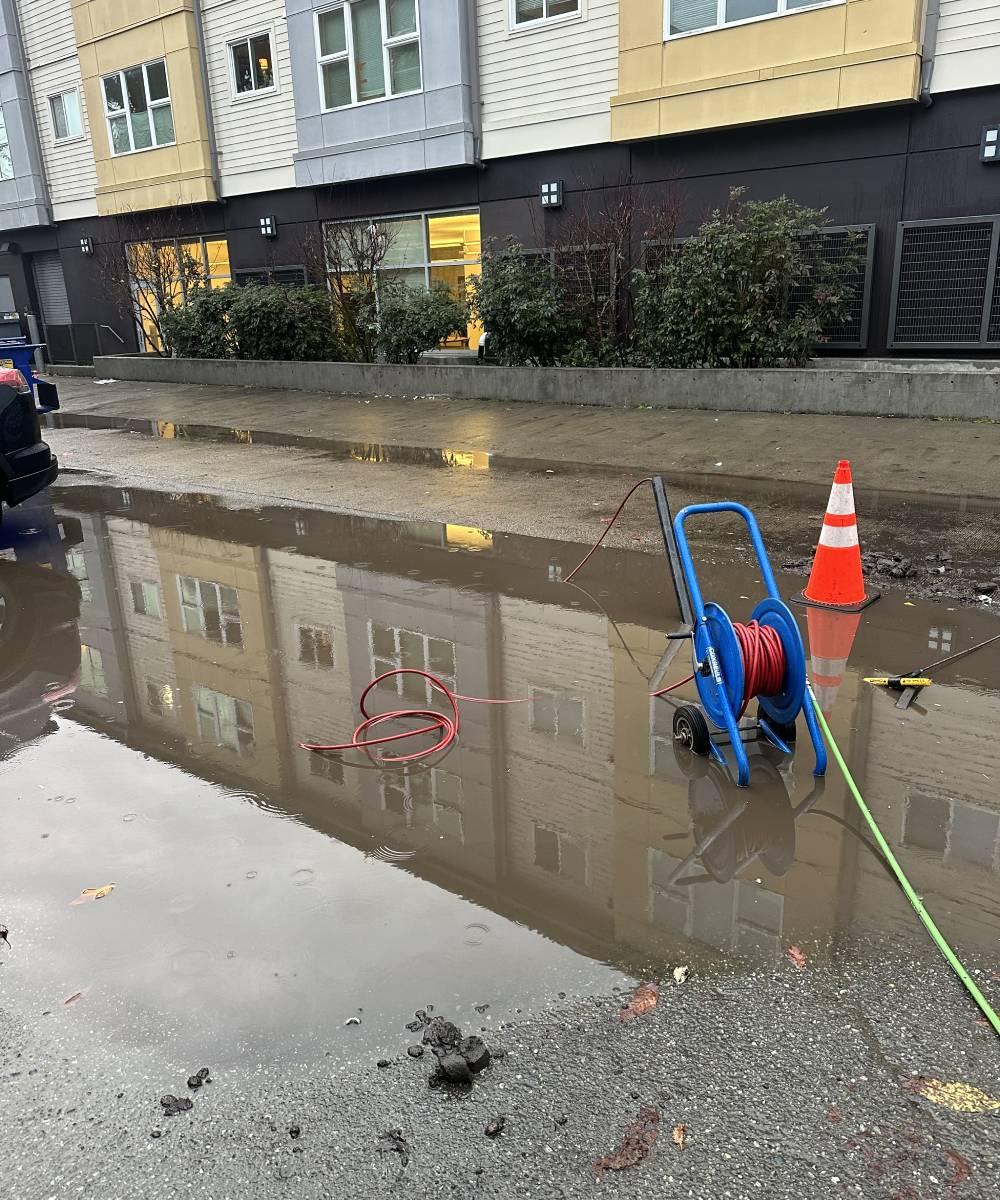
- Standing foul-smelling puddles
- Unexplained moisture around the property
Left untreated, this leads to soil contamination, foundation erosion, and environmental risk.
What Causes Sewer Lines to Collapse?
A collapsing sewer line can result from multiple underlying causes, including:
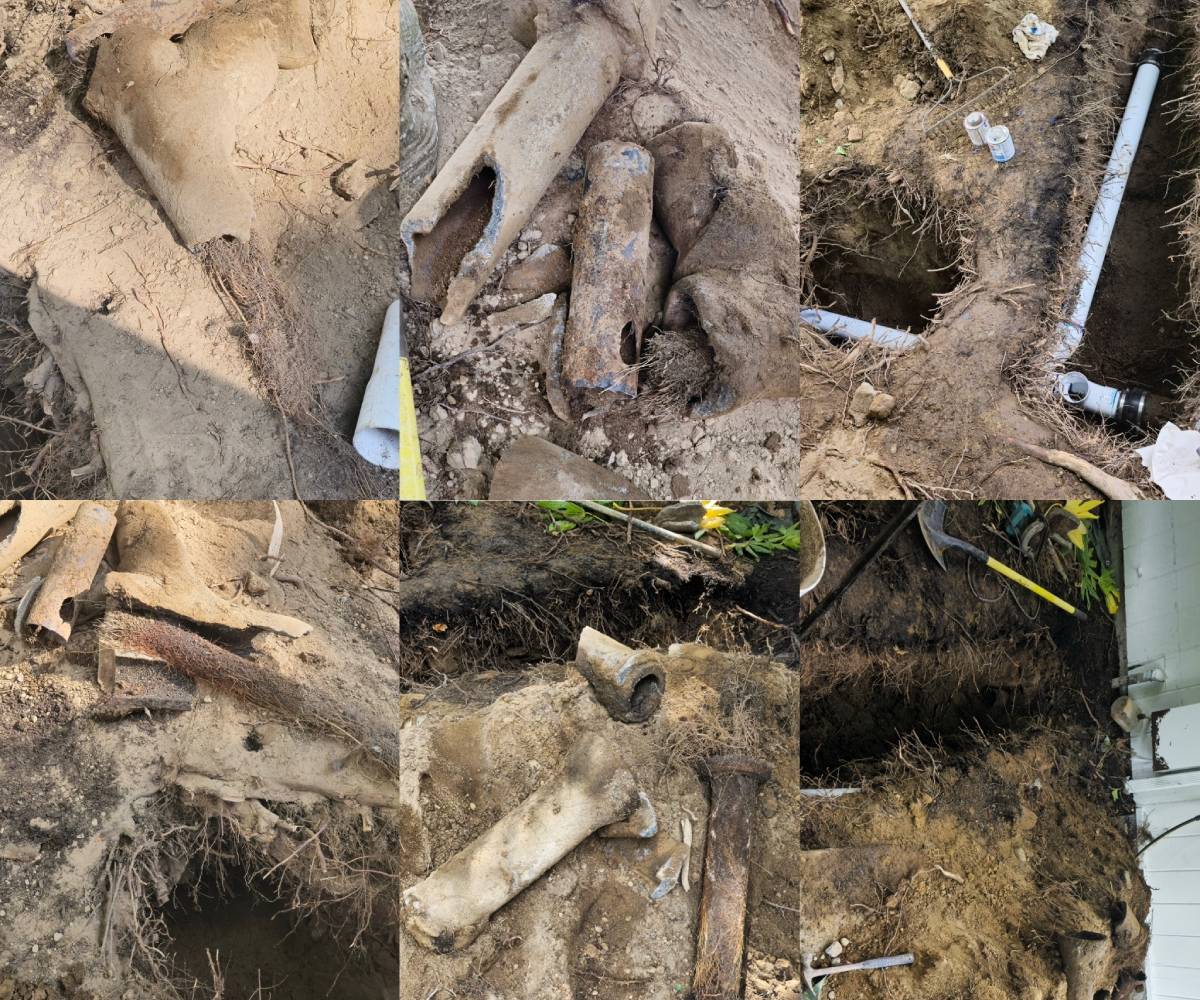
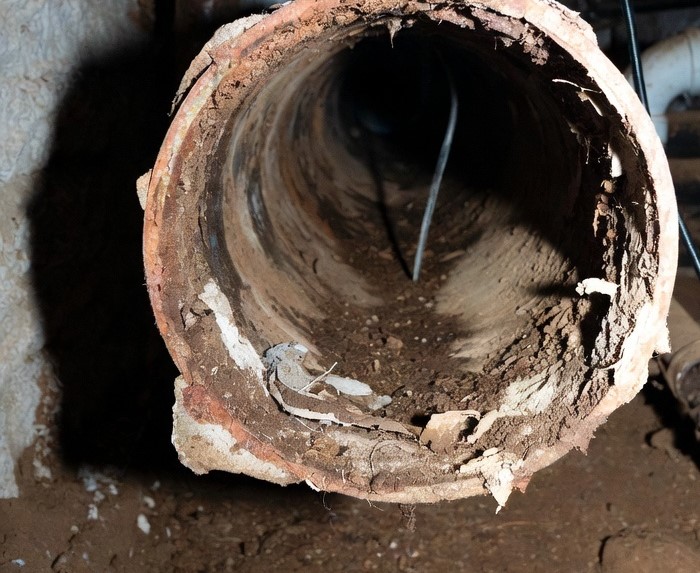
- Aging or deteriorating pipes
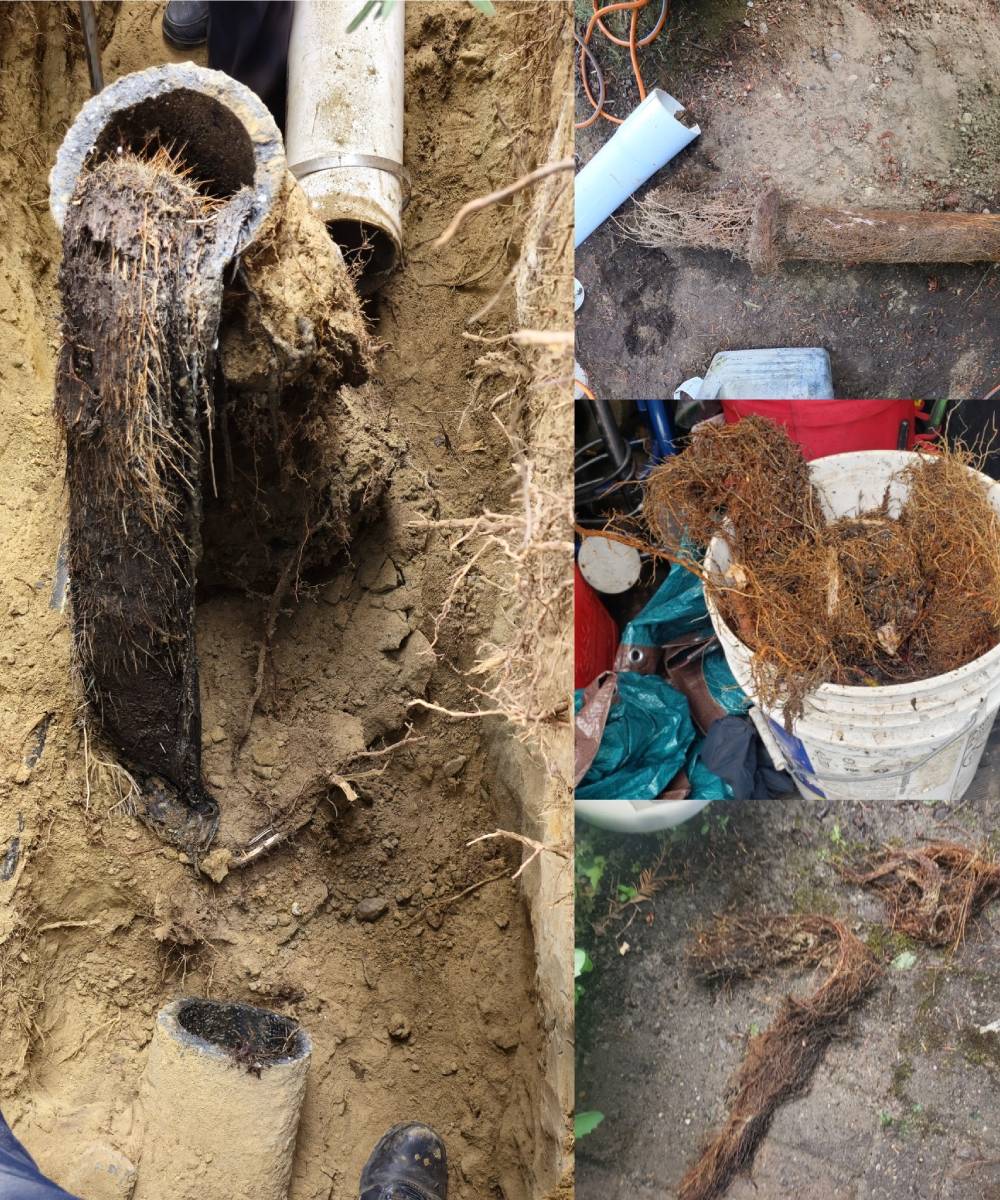
- Tree root intrusion
- Soil shifts and ground movement
- Corrosion
- Heavy vehicle pressure over buried lines
- Poor installation or outdated materials
Early professional inspection can identify the cause before total failure happens.
What to Do If You Notice These Signs
Step 1 — Do Not Ignore Them
Waiting makes repairs more expensive.
Step 2 — Avoid DIY Digging
Sewer systems are complex and dangerous without proper equipment.
Step 3 — Schedule a Professional Inspection
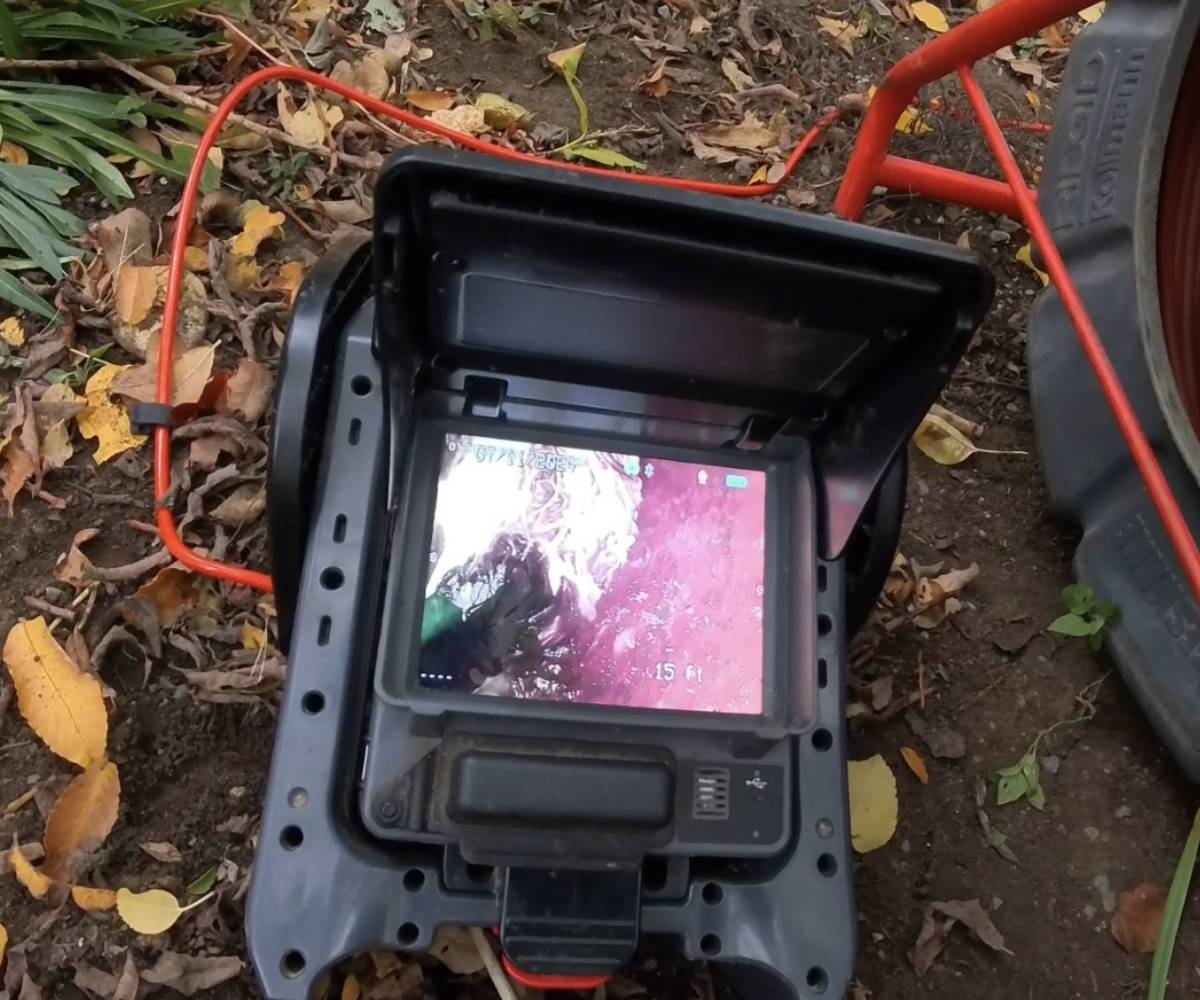
Modern professionals use camera inspections and non-invasive diagnostics to locate hidden structural damage, identify collapse risks, and recommend the safest repair solutions — often without major excavation.
Professional Sewer Line Experts You Can Trust
If you’ve noticed any of these warning signs, the smartest step is to act before a collapse happens. A professional inspection can save thousands in avoidable repairs, protect your home, and ensure your plumbing system remains safe and efficient.
For reliable, experienced, and advanced sewer inspection and repair services, Knight Rooter Sewer & Drain Cleaning Services is here to help with expert diagnostics, modern solutions, and trusted results for homeowners.
Explore More Resources
For more information on sewer line maintenance and repair, visit our service pages:
- Sewer drain cleaning Everett
- Sewer drain cleaning Edmonds
- Sewer drain cleaning Seattle
- Sewer drain cleaning Bothell
- Sewer drain cleaning Kirkland
- Sewer drain cleaning Lynnwood
- Sewer drain cleaning Woodinville
- Sewer drain cleaning Snohomish
- Sewer drain cleaning Bellevue
AFQ
1. How urgent is a suspected sewer line collapse?
Very urgent. Delays can lead to total pipe failure, flooding, property damage, and health risks.
2. Can sewer line failures be repaired without digging?
Yes. Trenchless sewer repair and lining solutions are often available, depending on pipe condition.
3. How long do sewer lines last?
Typically 50–100 years, depending on material, soil conditions, and maintenance.
4. Does homeowners’ insurance cover collapsed sewer lines?
Coverage varies. Many policies exclude external sewer damage unless additional coverage is added.
For professional and fast drain cleaning Bothell, drain cleaning Seattle, and drain cleaning Bellevue, contact KnightRooter. Our team is ready to provide the best solutions for your drain issues.

No comment yet, add your voice below!