
Sewer backups are one of the most expensive and disruptive plumbing emergencies a homeowner can face. A single backup can cause structural damage, flooring replacement, mold growth, and thousands of dollars in cleanup costs.
The good news? Most sewer backups are preventable.
With routine sewer inspections, professional drain cleaning, and proactive maintenance, homeowners can dramatically reduce the risk of sewage backing up into their homes. This complete guide explains how to prevent costly sewer backups and protect your plumbing system long term.
Why Sewer Backups Happen
Understanding the root causes of sewer backups is the first step in prevention.
1️⃣ Grease & Debris Buildup
Over time, grease, soap residue, hair, wipes, and food particles accumulate inside pipes. This buildup narrows the pipe diameter and restricts wastewater flow.
2️⃣ Tree Root Intrusion
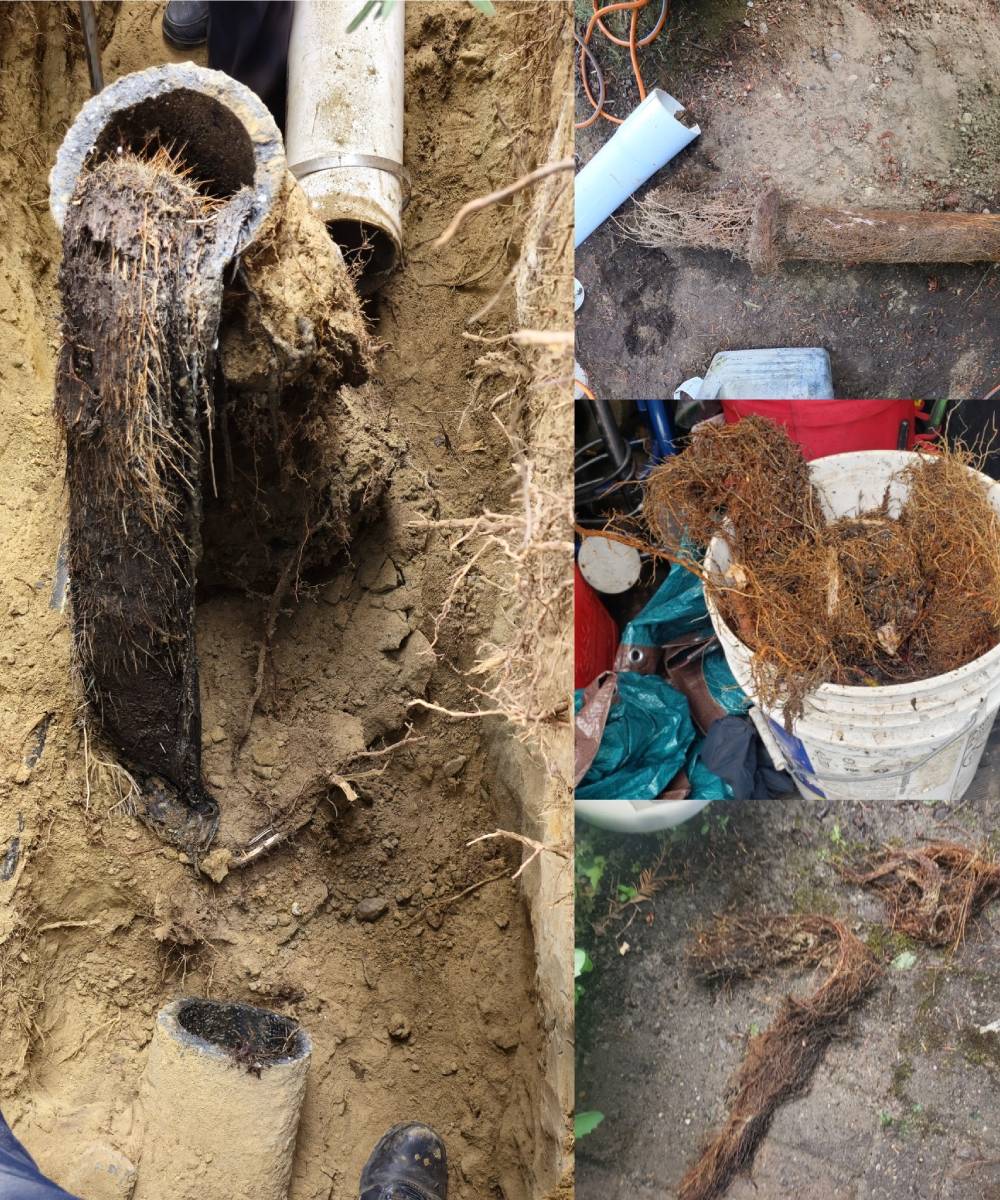
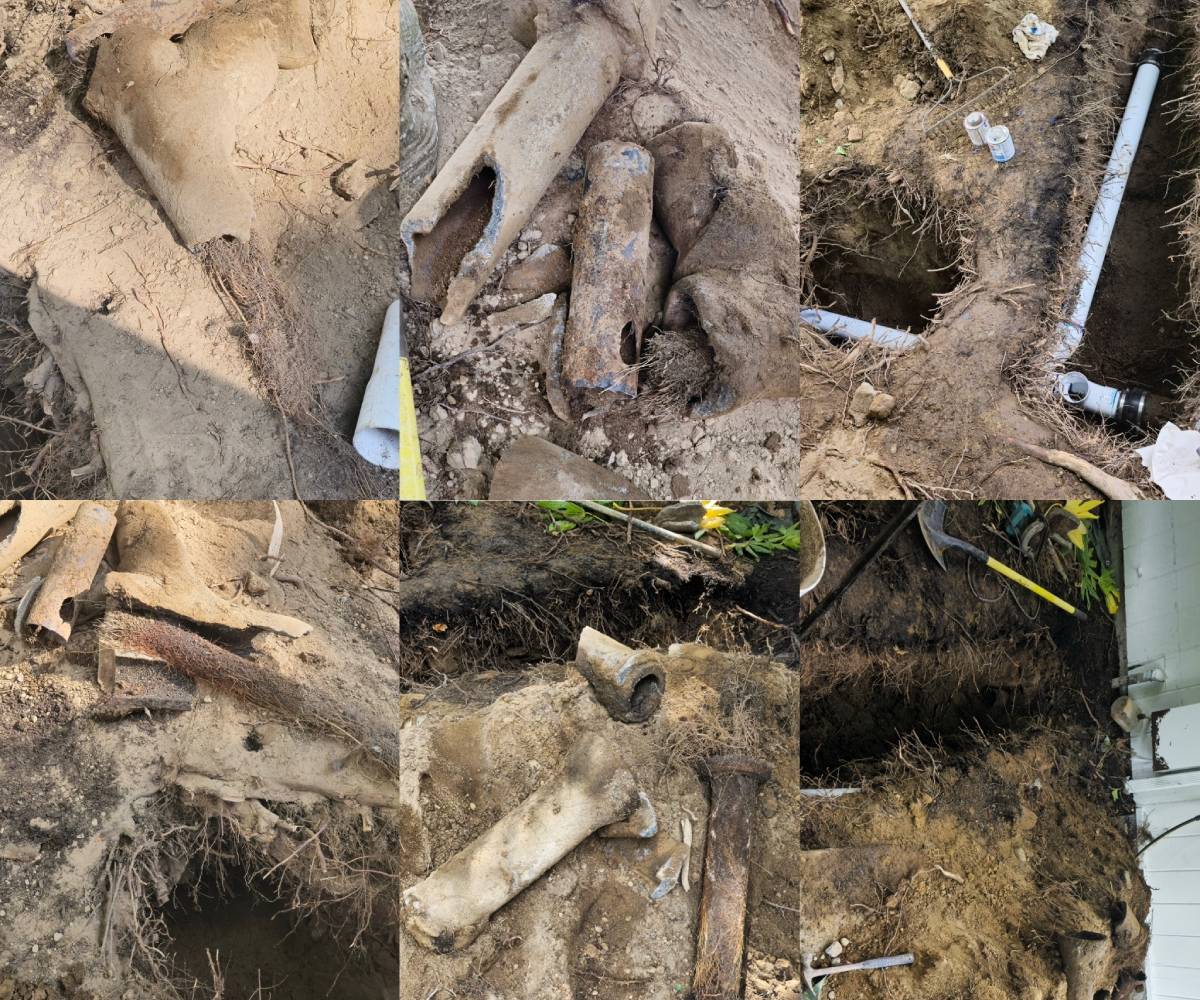
Tree roots naturally seek moisture. Even small cracks in sewer pipes allow roots to enter, expand, and create major blockages.
3️⃣ Aging or Damaged Sewer Lines
Older clay or cast iron pipes can crack, corrode, or collapse. Structural damage increases the likelihood of blockages and backups.
4️⃣ Heavy Rainfall & Sewer System Overload
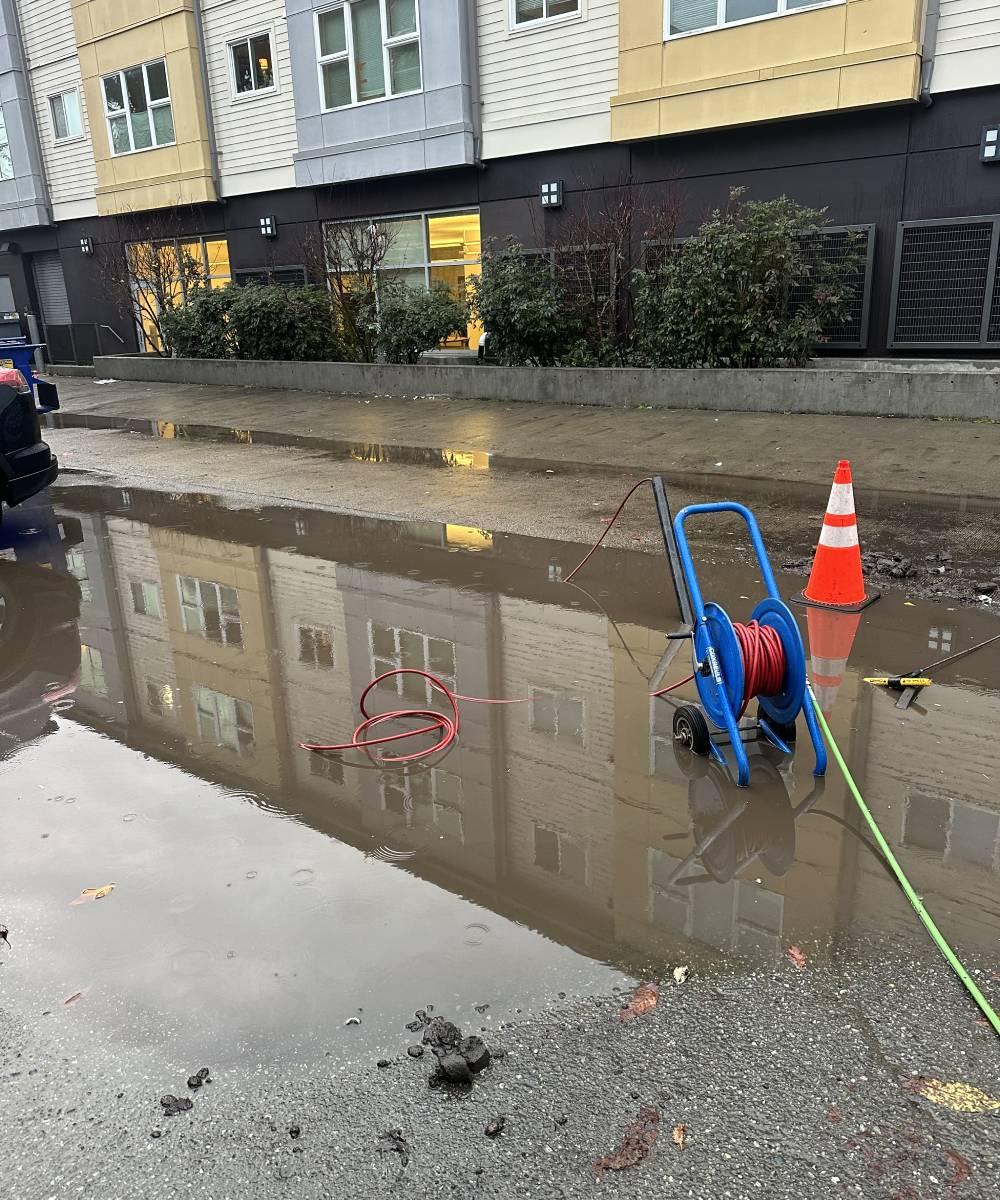
During storms, municipal sewer systems can become overwhelmed. When that happens, wastewater may reverse direction and flow back into residential plumbing systems.
Regional Risk Factors in the Greater Seattle Area
Homes throughout:
- Seattle
- Bothell
- Everett
and surrounding communities face additional risk factors:
- Frequent rainfall in the Puget Sound region
- Mature trees with aggressive root systems
- Older sewer infrastructure in established neighborhoods
- Shifting clay-heavy soil conditions
These regional factors make routine maintenance especially important.

Early Warning Signs of a Sewer Backup
Catching problems early prevents expensive emergencies.
Watch for:
- Slow drains throughout the house
- Gurgling sounds in toilets
- Foul sewer odors
- Water is backing up in the lowest drain
- Frequent clogs in multiple fixtures
If several fixtures are affected at once, the issue may be in the main sewer line rather than a simple drain clog.
Schedule Annual Sewer Camera Inspections
One of the most effective prevention strategies is an annual sewer inspection.
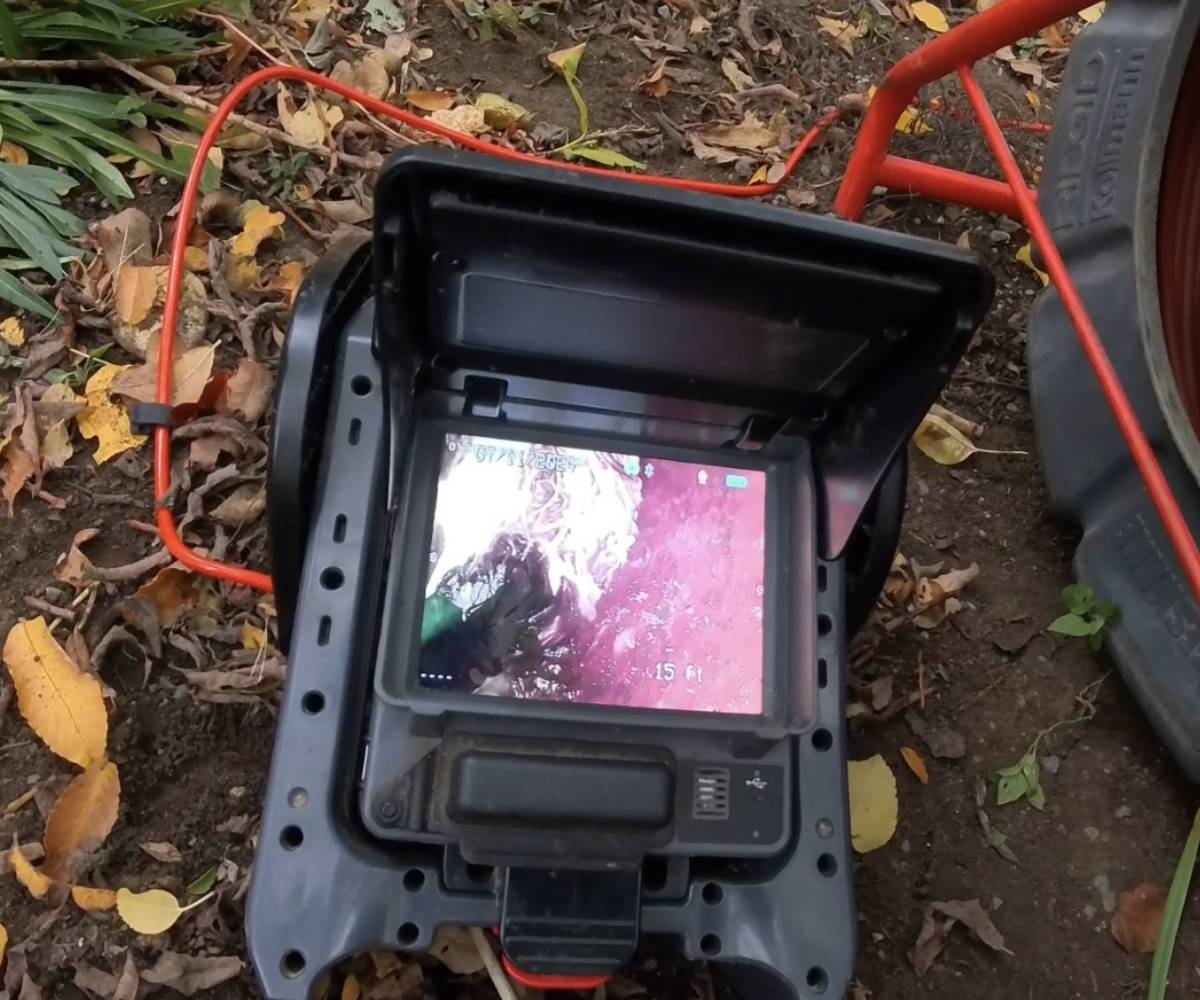
A professional camera inspection can:
- Detect cracks or pipe separation
- Identify root intrusion
- Spot grease or sludge buildup
- Locate sagging pipe sections (bellies)
Early detection allows small issues to be repaired before they turn into major backups.
Invest in Routine Sewer Drain Cleaning
Even without visible problems, sewer lines accumulate buildup over time.
Hydro Jetting
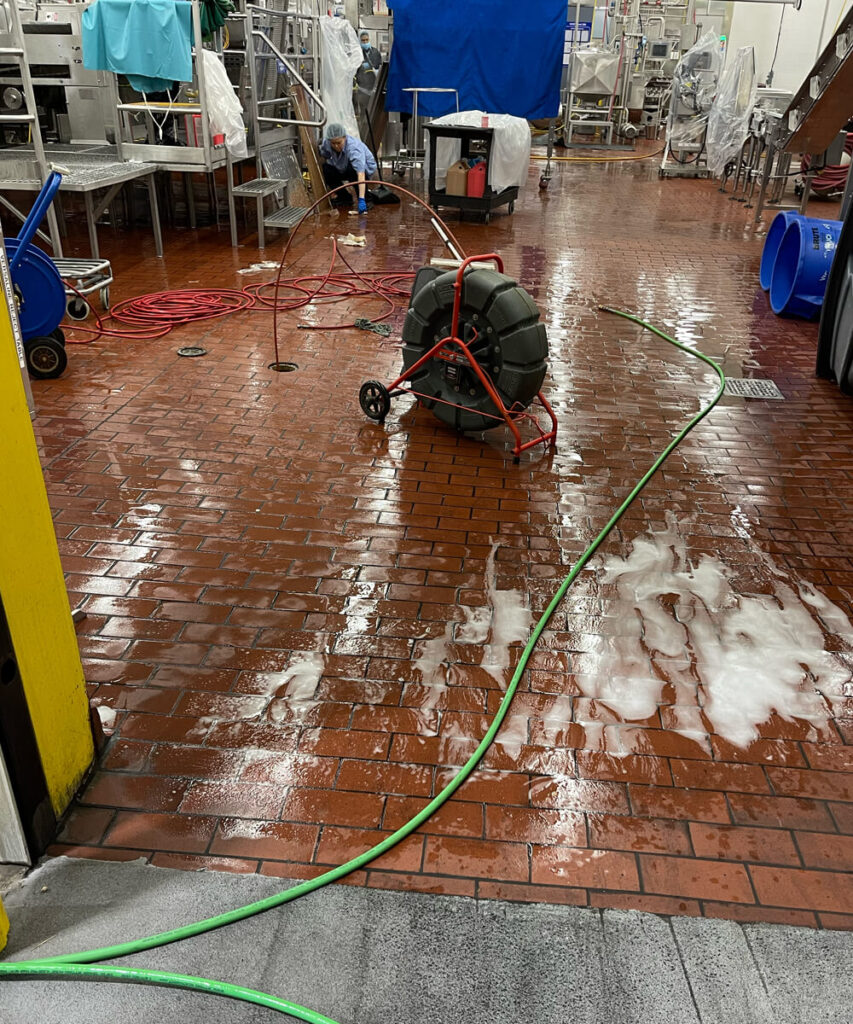
High-pressure water removes grease, sludge, mineral buildup, and roots from pipe walls, restoring full flow capacity.
Rooter Cleaning
Mechanical cutting equipment clears blockages and invasive roots in older sewer systems.
Professional sewer drain cleaning every 12–24 months significantly reduces emergency risks.
Install a Backwater Valve for Added Protection
A backwater valve is a protective device that:
- Allows wastewater to exit your home
- Automatically closes if sewage tries to flow back in
This device is especially valuable in areas prone to heavy rain or municipal sewer overload. It can prevent thousands of dollars in water damage.
Be Careful What You Flush
Daily habits play a major role in sewer health.
Avoid flushing:
- Wet wipes (even “flushable” ones)
- Paper towels
- Feminine hygiene products
- Excessive toilet paper
In the kitchen:
- Never pour grease or oil down the drain
- Use sink strainers
- Dispose of food waste properly
Simple behavior changes dramatically reduce blockage risk.
Address Minor Repairs Immediately
Small sewer line issues rarely stay small.
Cracks, leaks, and misaligned joints allow:
- Root growth
- Soil intrusion
- Wastewater seepage
- Structural weakening
Modern trenchless repair methods can correct minor issues without major excavation. Acting early prevents costly full replacements.
How Much Can a Sewer Backup Cost?
Ignoring maintenance can be extremely expensive.
A full sewer backup may require:
- Emergency plumbing services
- Water extraction
- Mold remediation
- Flooring and drywall replacement
- Structural repairs
Preventive maintenance costs a fraction of what restoration after a backup can cost.
When to Call a Professional
Contact a licensed sewer professional immediately if:
- Multiple drains back up at once
- You smell persistent sewage odors
- Water appears in the basement drains
- You experience repeated clogs
Delaying service increases damage and repair costs.
Protect Your Home with Proactive Sewer Maintenance
Sewer backups are messy, stressful, and expensive — but in most cases, they are preventable. Routine inspections, professional cleaning, smart usage habits, and early repairs can keep your sewer system functioning efficiently for years.
For professional sewer maintenance and backup prevention services across the greater Seattle area, contact Knight Rooter. Their experienced team provides 24/7 service to help homeowners protect their properties from costly sewer emergencies.
FAQ
1. How often should I schedule a sewer inspection?
Most homeowners should schedule a sewer camera inspection once per year. Homes with mature trees nearby may require more frequent inspections.
2. What causes sewer backups during heavy rain?
Stormwater can overwhelm municipal sewer systems, forcing wastewater back through residential lines.
3. Is hydro jetting safe for older pipes?
After proper inspection, hydro jetting is a safe and highly effective cleaning method when performed by professionals.
4. Do flushable wipes really cause clogs?
Yes. Many “flushable” wipes do not break down properly and are a leading cause of sewer blockages.
5. Is preventive sewer maintenance really necessary?
Yes. Routine maintenance is significantly more affordable than repairing damage from a full sewer backup.
By following these routine maintenance tips, you can significantly reduce the risk of a sewer backup and the costly repairs that come with it. For professional sewer maintenance, trust Knight Rooter to keep your system in excellent condition.

No comment yet, add your voice below!