
If your Seattle home was built before 1960, there’s a strong chance it still has Orangeburg pipes buried beneath it — lightweight sewer lines made from layered wood pulp and coal-tar pitch that were once considered a miracle material.Today, they’re a ticking time bomb. Local plumbing records and municipal data show that over 80% of these pipes in homes 60+ years old have collapsed, flattened, or become severely clogged — compared to under 10% failure rates in newer systems. The culprits? Seattle’s highly expansive clay soil, constant moisture, relentless tree roots, and frequent small earthquakes that crush these soft, flexible pipes long before their expected lifespan.In this guide, you’ll learn exactly what Orangeburg pipes are, why they fail so dramatically in the Pacific Northwest, the warning signs you can’t ignore, the serious health and financial risks of waiting, and the modern, low-disruption solutions that can permanently fix the problem — often without tearing up your yard.If you own a pre-1960 home in Seattle, this is the one article you need to read before your next backup or emergency repair bill hits.
The History and Rise of Orangeburg Pipes
Seattle’s housing boom in the mid-20th century brought affordable homes to the growing city, but it also embedded a plumbing time bomb in thousands of properties. Orangeburg pipes, once hailed as an innovative solution, now represent one of the most common culprits behind sewer failures in pre-1960 residences. Understanding their backstory is key to grasping why these homes face such elevated risks today.
What Are Orangeburg Pipes and When Were They Used?
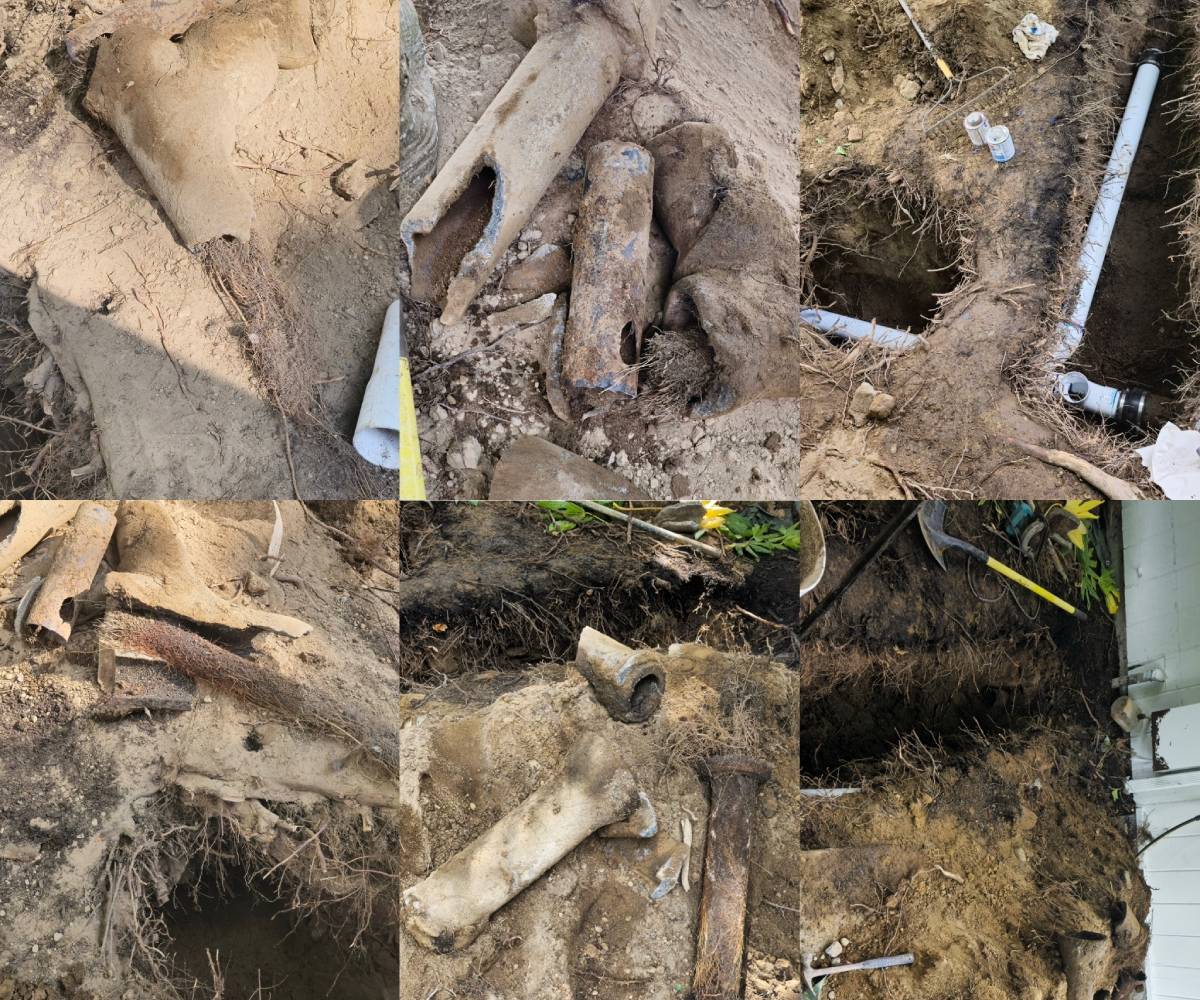
Orangeburg pipes, also known as bituminous fiber pipes, were manufactured from layers of wood pulp saturated with coal tar pitch, creating a lightweight, flexible alternative to clay or cast iron. First developed in the 1860s for electrical conduits, they gained traction for residential sewer lines in the 1940s and peaked in use through the 1970s.
In Seattle, where post-WWII construction exploded, these pipes were installed in a vast majority of homes built before 1960. Eventually, they were banned by the Uniform Plumbing Code in 1973 due to widespread failures, but they remain in many older neighborhoods like Capitol Hill, Queen Anne, and Ballard.
Why They Became Popular in Mid-20th Century Construction
Affordability drove their adoption: Orangeburg was cheaper and easier to cut and install than metal or vitrified clay, ideal for the rapid suburban expansion in the Pacific Northwest. Marketed as “no-corrode” and highly flexible, they seemed perfect for Seattle’s expansive soils. However, this flexibility proved disastrous, as pipes softened and flattened under soil loads, eventually leading to extremely high failure rates in homes over 60 years old—far outpacing modern PVC systems.
Why Pre-1960 Seattle Homes Are Prime Targets for Failure
Homes built before 1960 in Seattle aren’t just old—they’re engineered with materials ill-suited to the region’s geology and climate. Orangeburg’s chemical composition reacts poorly here, accelerating degradation and explaining the stark 80% likelihood of failure compared to post-1970 properties.
The 50-Year Lifespan Myth and Real-World Degradation
Although manufacturers claimed a 50-year service life, real-world conditions cut that dramatically. The tar-like pitch absorbs groundwater, causing the fiber to swell, blister, and collapse inward. In Seattle’s wet winters, this process accelerates significantly, often leading to early failures. Surveys indicate that the overwhelming majority of remaining Orangeburg installations in pre-1960 homes show notable deterioration—far harsher than similar-aged cast iron or clay pipes.
Seattle’s Unique Environmental Pressures: Soil, Water, and Earthquakes
Seattle’s clay-rich, expansive soils exacerbate the issue:
As the ground swells with rain and contracts during dry spells, Orangeburg pipes—already lacking structural rigidity—shift, kink, or rupture. High groundwater tables flood the pipes, promoting bacterial breakdown of the pitch.
Additionally, the region’s seismic activity plays a major role. With frequent small quakes every year, flexible fiber pipes shear and deform easily, and many failures spike after seismic events like the 2001 Nisqually earthquake. These combined environmental pressures make Seattle one of the most challenging places in the country for aging Orangeburg systems.
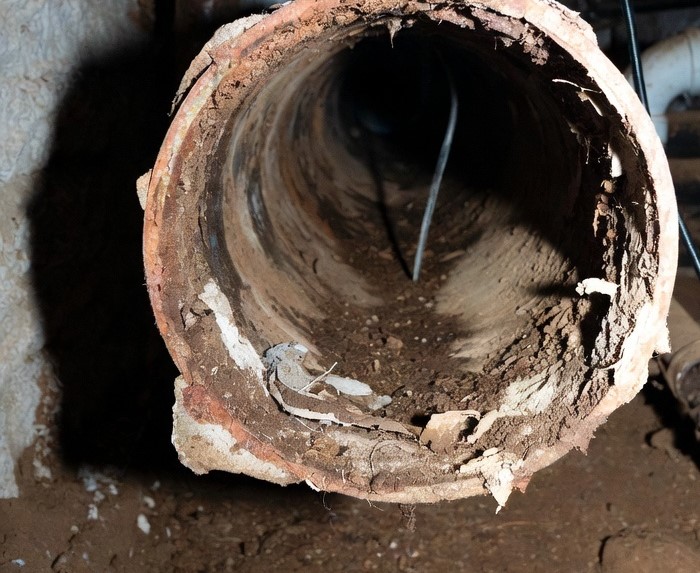
Identifying Failing Orangeburg Pipes: Signs and Symptoms
Early detection is essential for protecting your home from severe sewer damage. In older Seattle neighborhoods, subtle warning signs often appear during rainy seasons when soil shifts increase pressure on weakened lines.
Common Indicators of Pipe Collapse or Blockage
Watch for:
- Slow drains throughout the home
- Gurgling or bubbling toilets
- Sewage odors coming from yard depressions
- Unusual green patches of lawn (often called “sewer grass”)
- Soil sinking or small sinkholes forming above the sewer path
These symptoms are classic indicators of a flattened Orangeburg pipe or a severe obstruction caused by fiber delamination.
Diagnostic Tools: From Camera Inspections to Smoke Testing
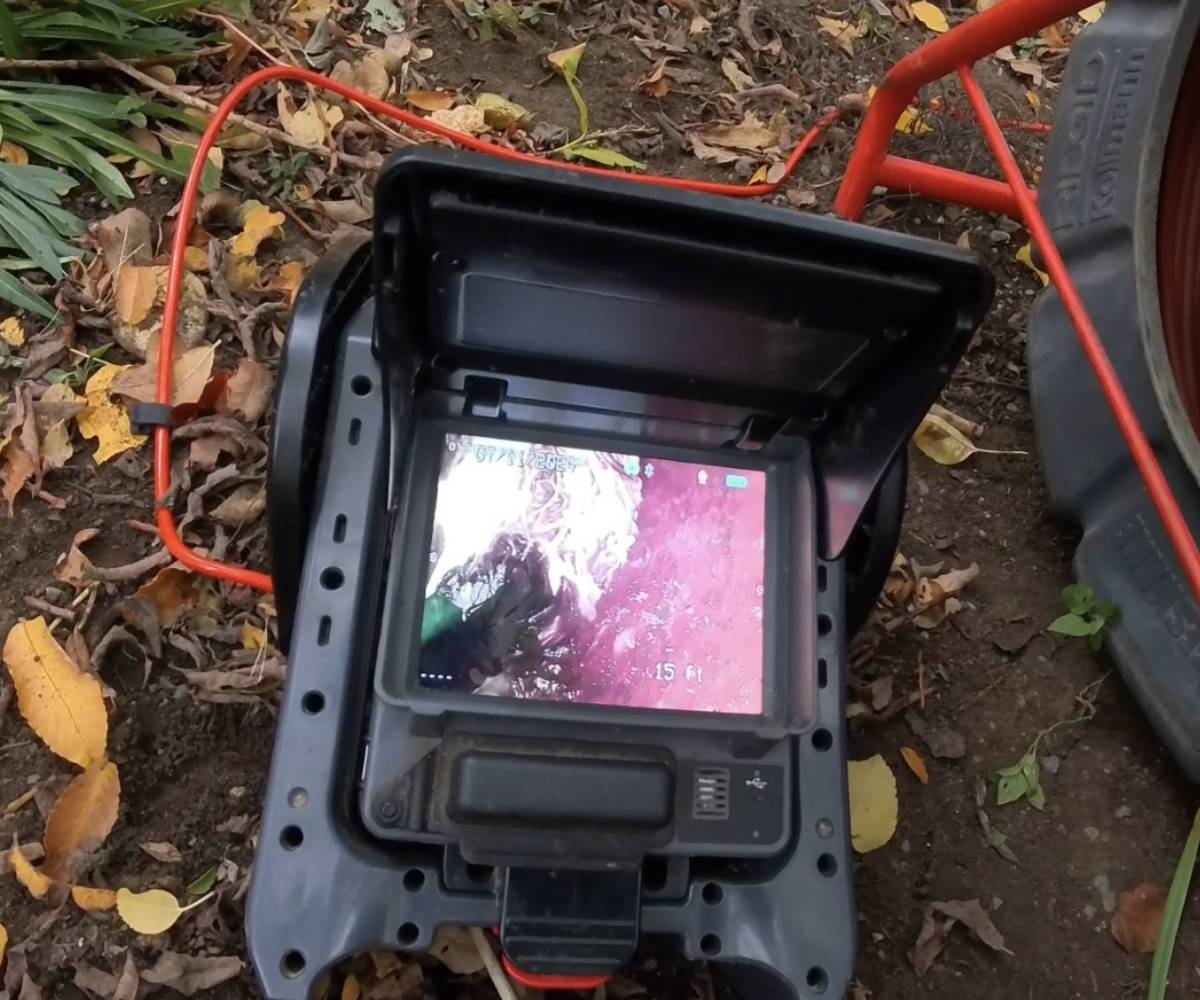
A professional sewer camera inspection (internal link: professional sewer camera inspection) is the most reliable way to identify Orangeburg pipes. Technicians can spot the hallmark “blistered” or “oval-shaped” deformations.
Additional diagnostic tools include:
- Smoke testing (reveals leak points)
- Acoustic locators (detect voids around failing lines)
- Hydrostatic flow testing
These strategies provide a non-destructive assessment of pipe integrity.
The Hidden Costs and Risks of Ignoring Orangeburg Issues
Health, Property, and Financial Impacts
Failing sewer pipes create a cascade of problems. Raw sewage backups contaminate homes, exposing residents to bacteria and mold—risks that are especially concerning in Seattle’s damp climate.
From a property standpoint, unresolved sewer issues can significantly reduce resale value. Emergency repairs often cost far more than planned replacements, and delays can escalate damage, increasing both financial and structural impact.
Seattle Regulations and Compliance Requirements
The Seattle Department of Construction and Inspections enforces strict regulations for side sewer repairs and requires upgrades during major remodels or property transfers. Homeowners are responsible for ensuring their sewer line complies with both plumbing and stormwater regulations. Ignoring known failures may result in fines and additional liabilities, especially when leaks impact surrounding soil or waterways.
Solutions: From Inspection to Full Replacement
Non-Invasive Rehab Options Like CIPP Lining
Cured-in-place pipe (CIPP) lining is a minimally invasive rehabilitation method. A resin-saturated liner is inserted into the existing pipe, creating a seamless interior that restores structural integrity and flow capacity. It’s ideal for partial failures and extends the lifespan of older sewer systems without extensive digging.
Trenchless vs. Traditional Replacement Methods
Trenchless replacement, such as pipe bursting, breaks apart the old Orangeburg pipe while simultaneously pulling in a new HDPE line. This method is ideal for Seattle’s narrow lots, mature trees, and dense neighborhoods.
Traditional open-trench replacement is still necessary in cases of total collapse or severe deformation, but it is more disruptive to landscaping and hardscaping. In seismic zones, flexible materials like HDPE are often preferred over rigid PVC.
Preventive Maintenance for Older Homes
Seattle’s older homes benefit from routine sewer maintenance, including:
- Annual inspections, especially after heavy rains or seismic events
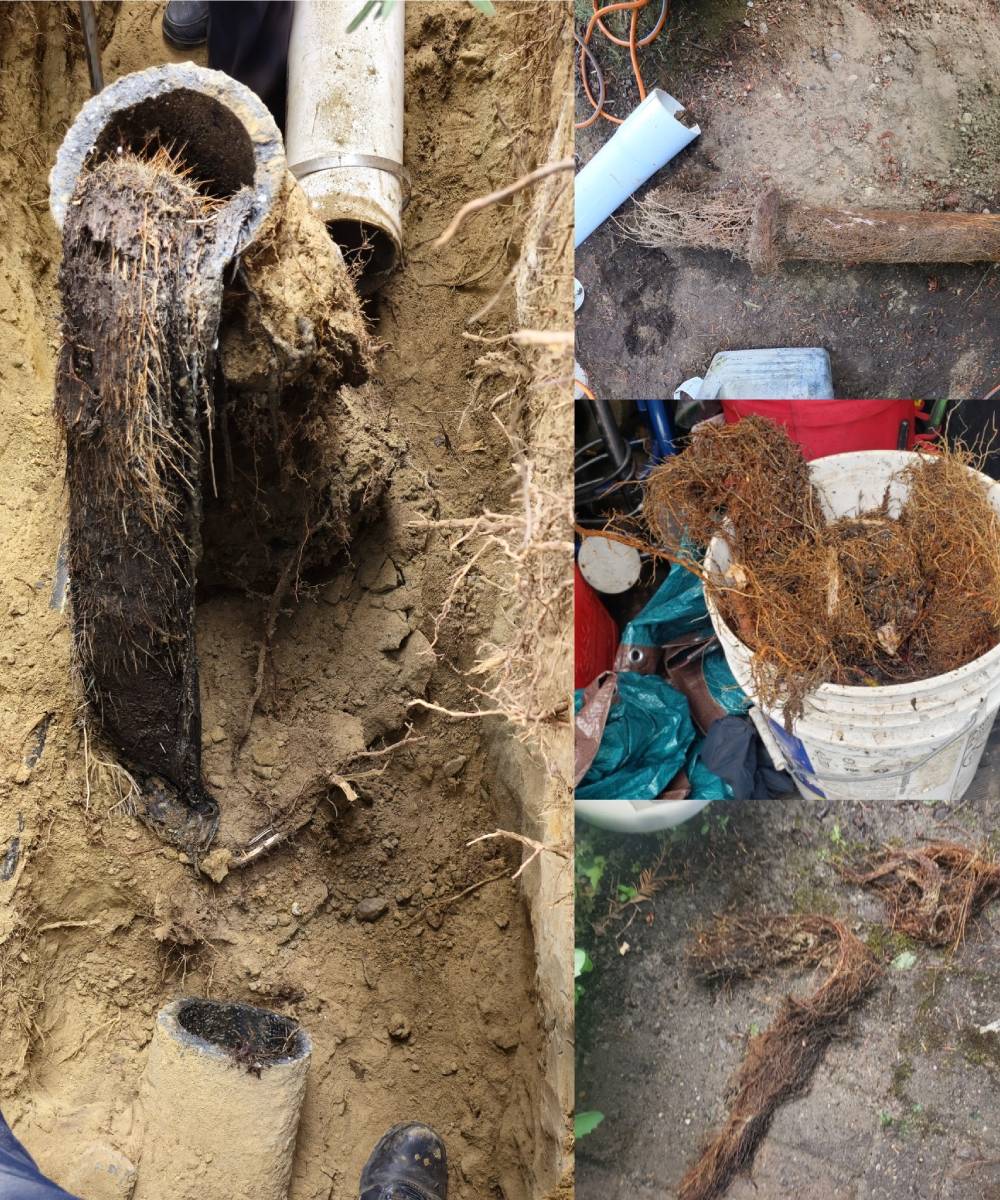
- Root intrusion management
- Soil stabilization measures
- Monitoring water usage and drainage patterns
- Winterizing exposed plumbing to prevent freeze-thaw damage
These proactive steps can extend the lifespan of aging systems and reduce the likelihood of sudden failures.
Explore More Resources
For more information on sewer line maintenance and repair, visit our service pages:
- Camera Inspection Everett
- Camera Inspection Edmonds
- Camera Inspection Seattle
- Camera Inspection bothell
- Camera Inspection Kirkland
- Camera Inspection Lynnwood
- Camera Inspection Woodinville
- Camera Inspection Snohomish
- Camera Inspection Bellevue
AFQ
What exactly are Orangeburg pipes, and why are they failing in Seattle?
Orangeburg pipes are tar-impregnated fiber tubes used 1940s-1970s for sewers. They fail from soil shifts, moisture absorption, and quakes—80% in pre-1960 homes per EPA data.
How can I tell if my pre-1960 Seattle home has Orangeburg pipes?
Check build records or use a camera scope for the signature black, fibrous look. Homes pre-1960 without upgrades likely do.
Are there health risks from Orangeburg pipe leaks?
Yes—sewage exposure causes infections; leaks also contaminate groundwater, violating Seattle eco-codes.
How long does Orangeburg pipe replacement take?
Trenchless: 1-2 days; traditional: 3-5 days. Most homes stay livable during work.
Is pipe lining a permanent fix for Orangeburg failures?
It restores 90% flow capacity for 50+ years but isn’t ideal for fully collapsed sections—full replacement then applies.
For professional and fast drain cleaning Bothell, drain cleaning Seattle, and drain cleaning Bellevue, contact KnightRooter. Our team is ready to provide the best solutions for your drain issues.

No comment yet, add your voice below!