
Lake Union in Seattle is home to one of the most iconic communities of floating homes in the United States. These structures offer a unique blend of urban living and waterfront serenity, but they come with specialized infrastructure needs that are often overlooked. Sewer systems, in particular, present distinct challenges during inspections due to their aquatic environment. This article delves into these issues, providing expert-level education on how these systems function, the hurdles involved, and practical solutions to ensure long-term functionality.
Defining Floating Homes vs. Houseboats
Floating homes are permanent residences built on buoyant platforms, typically concrete or log floats, and moored in designated slips. Unlike houseboats, which are navigable vessels with onboard propulsion, floating homes are stationary and treated as real property under Seattle regulations. They must connect directly to city utilities, including sewer lines, as mandated by the Seattle Department of Construction and Inspections.
This distinction is crucial because it affects how sewer systems are designed and maintained—floating homes rely on fixed connections, while houseboats often use portable holding tanks that require periodic pumping.
The Appeal and Lifestyle of Lake Union Living
Living on Lake Union means embracing a community of about 500 floating homes, where residents enjoy stunning views, a tight-knit neighborhood, and easy access to downtown Seattle. However, this lifestyle demands awareness of maintenance realities. Sewer issues, if ignored, can lead to environmental hazards, costly repairs, or even regulatory violations. Understanding these challenges empowers homeowners to protect their investments and the surrounding ecosystem.
How Sewer Systems Work in Floating Homes
To appreciate the inspection challenges, it’s essential to grasp the basics of sewer infrastructure in these homes. Unlike traditional land-based setups, floating home systems must account for water movement, buoyancy, and proximity to the lake.
Connection to Municipal Infrastructure
All floating homes on Lake Union are required to connect to Seattle’s municipal sewer system. This involves flexible lines running from the home, under docks, and to onshore connections. Wastewater from toilets, sinks, and appliances flows through these lines to city treatment facilities. Graywater and blackwater are typically combined, but some systems include sump pumps to handle elevation differences caused by fluctuating water levels.
Key Components: Pumps, Lines, and Holding Tanks
Central to these systems are electric pumps that push sewage uphill to shore-based lines, as gravity alone isn’t sufficient in a floating setup. Flexible hoses accommodate the home’s subtle movements, while holding tanks serve as buffers during high usage or outages. These components are often suspended beneath docks or integrated into the float structure, making them vulnerable to wear from constant exposure.
Differences from Land-Based Homes
In contrast to grounded homes, where sewer lines are buried and static, floating systems are dynamic. They must withstand water movement, boat wakes, and seasonal water level changes. This dynamism introduces risks like line fatigue, joint leaks, and pump failures, which aren’t common in standard residential plumbing.

Unique Sewer Inspection Challenges
Sewer inspections for floating homes aren’t straightforward. Standard camera scopes used in land homes must be adapted, and several factors complicate the process.
Accessibility and Physical Constraints
Reaching sewer lines often requires working from docks, boats, or even underwater access points. Lines suspended under docks can be hard to reach without specialized equipment, and cramped crawl spaces beneath the home add to the difficulty. Inspectors may need ladders, harnesses, or divers to check connections, increasing time and cost.
Environmental and Weather-Related Factors
The lake environment exposes systems to corrosion from freshwater, biofouling from algae and mussels, and debris accumulation. Weather events like heavy rains can overload pumps, while cold snaps risk freezing lines. Power outages—common during storms—halt pumps, leading to backups that may contaminate the lake if not addressed promptly.
Regulatory and Compliance Hurdles
Seattle’s shoreline and sewer codes enforce strict standards: homes must maintain direct sewer connections, and any modifications require permits. Inspections must verify no illegal discharges, aligning with environmental protections for Lake Union. Non-compliance can result in fines or forced repairs, adding pressure to ensure thorough, documented checks.
Technical and Equipment Limitations
Standard sewer scopes work for interior lines, but underwater or flexible segments demand waterproof, high-resolution tools. Blockages from shifted floats or marine growth can obstruct scopes, requiring pre-cleaning. The systems’ reliance on electricity also means inspections may involve temporary shutdowns, disrupting daily life.
Best Practices for Sewer Maintenance and Inspections
Proactive management can mitigate these challenges. Here’s how to stay ahead.
Routine Inspection Schedules
Experts recommend annual sewer scopes for floating homes, with hull and utility checks every 3–5 years. Scheduling during dry seasons minimizes weather interference. Documenting findings helps track wear patterns such as hose degradation.
Tools and Technologies for Effective Inspections
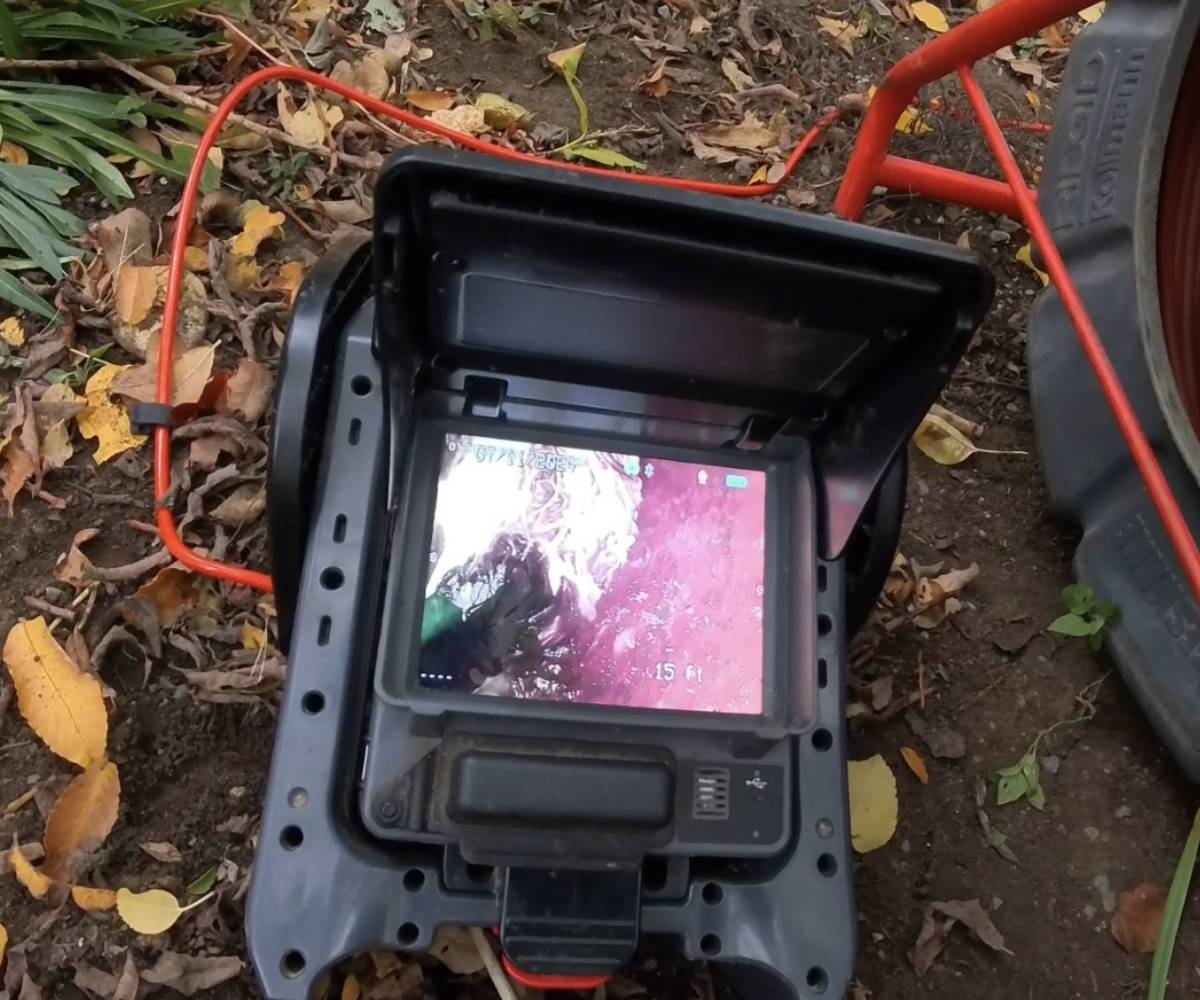
Advanced fiber-optic cameras provide high-resolution internal views, while sonar may assist with underwater assessments. Drones or remote-operated vehicles (ROVs) can inspect hard-to-reach areas without full disassembly. For pumps, smart sensors can monitor performance and send alerts in the event of failures.
Preventive Measures to Avoid Common Issues
Install backup generators for pumps to handle outages. Use marine-grade materials for lines to resist corrosion, and apply anti-fouling coatings. Regular cleaning prevents clogs, and educating residents on what not to flush reduces risks. Following best practices for eco-friendly usage helps protect the lake environment.
About Knight Rooter
Navigating the unique sewer challenges of Lake Union’s floating homes requires expertise and the right approach. For residents seeking reliable solutions, KnightRooter specializes in waterfront plumbing, offering advanced inspections, repairs, and maintenance tailored to these environments. With years of experience in Seattle’s unique properties, KnightRooter ensures your system runs smoothly—contact us for a consultation today.
Explore More Resources
For more information on sewer line maintenance and repair, visit our service pages:
- Camera Inspection Everett
- Camera Inspection Edmonds
- Camera Inspection Seattle
- Camera Inspection bothell
- Camera Inspection Kirkland
- Camera Inspection Lynnwood
- Camera Inspection Woodinville
- Camera Inspection Snohomish
- Camera Inspection Bellevue
AFQ
1. What is the difference between sewer systems in floating homes and houseboats?
Floating homes connect directly to city sewers via pumps and fixed lines, while houseboats often use holding tanks that need pumping every few weeks to months, depending on usage.
2. How often should I inspect my floating home’s sewer system?
Annually for basic scopes, and every 3-5 years for comprehensive utility checks, or sooner if you notice backups or odors.
3. What are signs of sewer problems in a floating home?
Slow drains, unusual gurgling, foul smells near docks, or visible leaks under the structure signal issues. Power-dependent pumps may fail during outages, causing overflows.
4. Are there environmental risks with floating home sewers?
Yes, leaks can pollute Lake Union, violating regulations. Proper maintenance and compliance with SDCI rules prevent this.
5. Can I perform sewer inspections myself?
Basic visual checks are possible, but professional tools like scopes are needed for thorough assessments. Always consult experts for safety and accuracy.
For professional and fast drain cleaning Bothell, drain cleaning Seattle, and drain cleaning Bellevue, contact KnightRooter. Our team is ready to provide the best solutions for your drain issues.

No comment yet, add your voice below!