
Buying a home in Seattle can be exciting, but hidden risks like sewer problems are often overlooked. This article provides a 17-point sewer inspection checklist to help buyers identify underground issues such as root intrusions, cracks, and blockages. Following this comprehensive guide can help you avoid unexpected repairs and protect your investment.
Why a Sewer Inspection Matters Before Buying
When purchasing a home in Seattle, the excitement of finding the perfect property can overshadow critical hidden elements like the sewer system. Many issues lurk underground, invisible during a walkthrough, and they rarely surface in a standard home inspection.
Expert advice highlights that sewer damages rank among the costliest repairs for homeowners, potentially affecting property value if left unresolved. A thorough sewer inspection provides peace of mind by uncovering risks early, safeguarding your investment for future resale. It also addresses safety and health concerns, such as leaks causing mold, sewage backups contaminating living spaces, or root infiltrations leading to blockages. In Seattle’s rainy climate and hilly terrain, these issues are amplified, making proactive checks essential for avoiding post-purchase surprises.
What a General Home Inspection Typically Misses
A standard home inspection in Seattle covers visible and accessible areas, including the foundation, roofing, electrical systems, plumbing fixtures like sinks and toilets, appliances, structural integrity, and signs of water damage above ground. Inspectors test faucets for flow, check for leaks in visible pipes, and assess overall drainage efficiency in fixtures.
However, sewer lines—particularly those buried under the house, yard, or extending to the city main—are often excluded from these inspections due to their inaccessibility without specialized tools. Without a dedicated sewer scope, latent defects like cracks, root intrusions, or collapses remain undetected until they cause failures, such as backups or flooding. Skipping this step can turn a dream home into a costly nightmare.

The 17-Point Sewer Inspection Checklist
This comprehensive 17-point checklist is designed for Seattle home buyers, focusing on common local challenges like aging clay or cast-iron pipes prone to root invasions and soil shifts. Grouped into categories for clarity, it combines visual checks with professional diagnostics to reveal hidden problems.
Exterior & Site Conditions
- Look for unusually lush or green patches in the lawn, which could indicate sewage leakage underground.
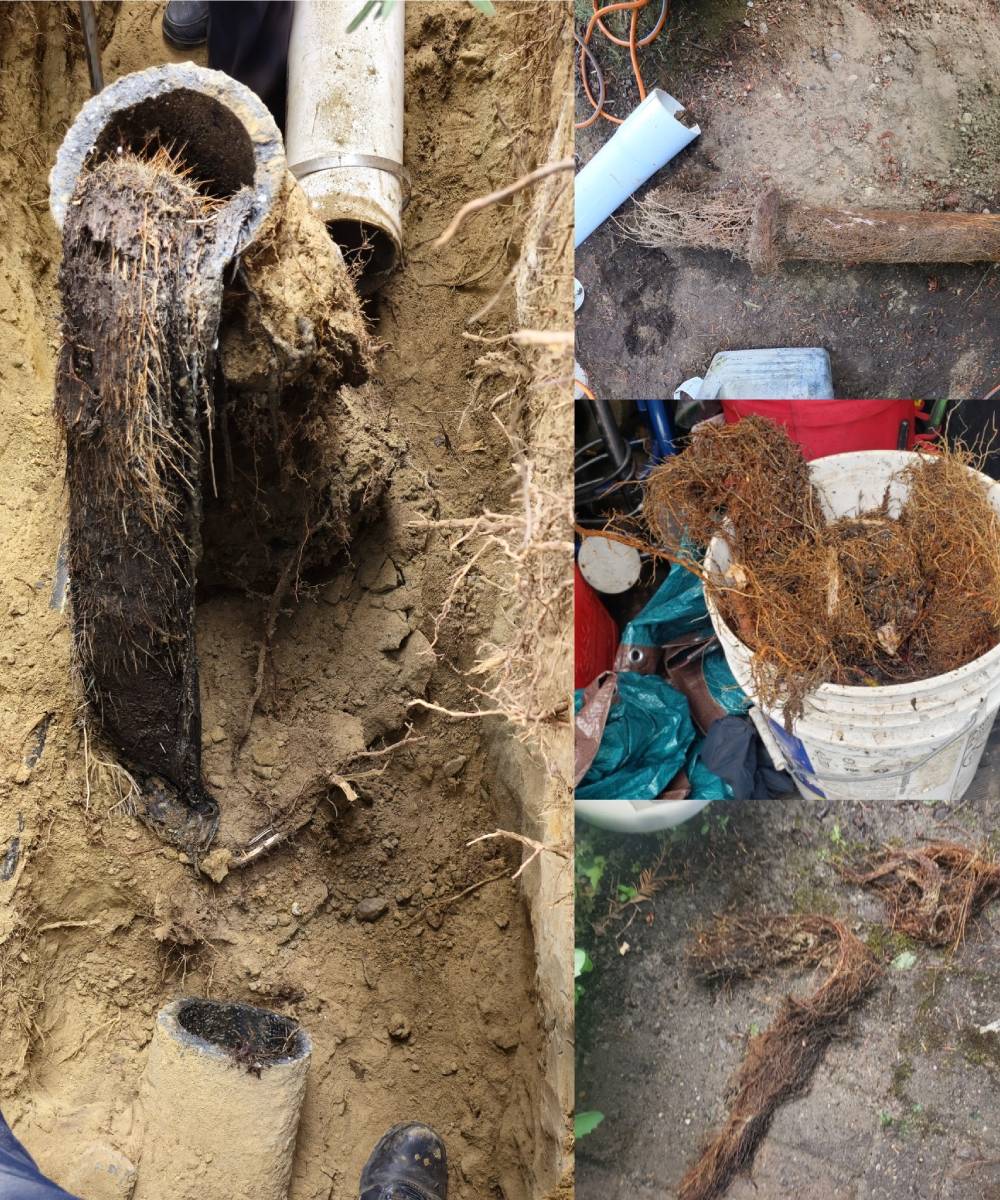
- Check for large trees or deep-rooted vegetation near the house—roots are a leading cause of sewer line intrusions in Seattle.
- Inspect the yard for depressions, soggy spots, or uneven ground that may signal a leaking or collapsed line.
- Verify the location and accessibility of sewer cleanout points (outside, near property line, basement, or crawl space).
Sewer-Line Entry & Cleanout Access
- Confirm that a main cleanout exists and is accessible, not buried under concrete or landscaping.
- Ensure the cleanout is in good condition—cover intact, no cracks, and no signs of tampering.
- Verify that vents, backflow preventers (if applicable), and drain-vent stacks are properly installed and unobstructed.
Interior Plumbing & Drainage Observations
- Run all faucets, showers, tubs, and toilets—watch for slow draining, gurgling, or bubbling noises, common in older Seattle systems.
- Check toilets for leaks, stability, proper flushing, and absence of sewage odors.
- Look under sinks, around toilets, and at laundry hookups for water stains, rust, mold, or dampness.
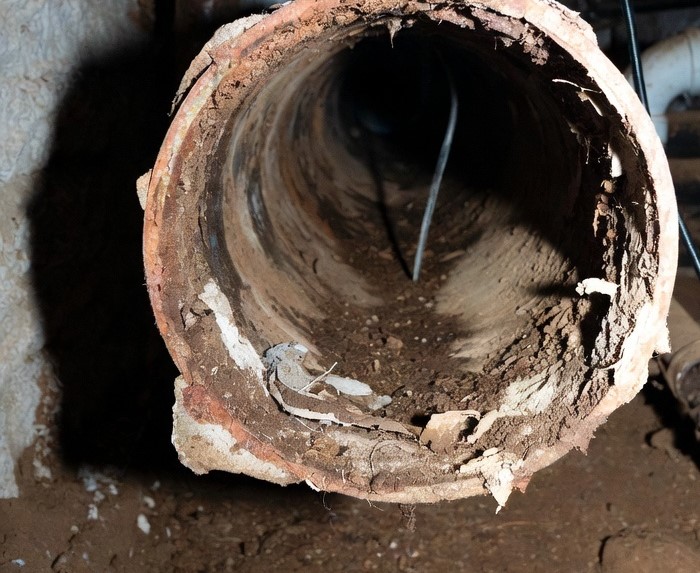
- Inspect visible plumbing pipes (in basement or crawl space) for corrosion, improper materials like old clay or Orangeburg, or deterioration.
- Verify proper slope and drainage of floor drains and other fixtures tied to the sewer line.
Professional Camera & Diagnostic Inspection
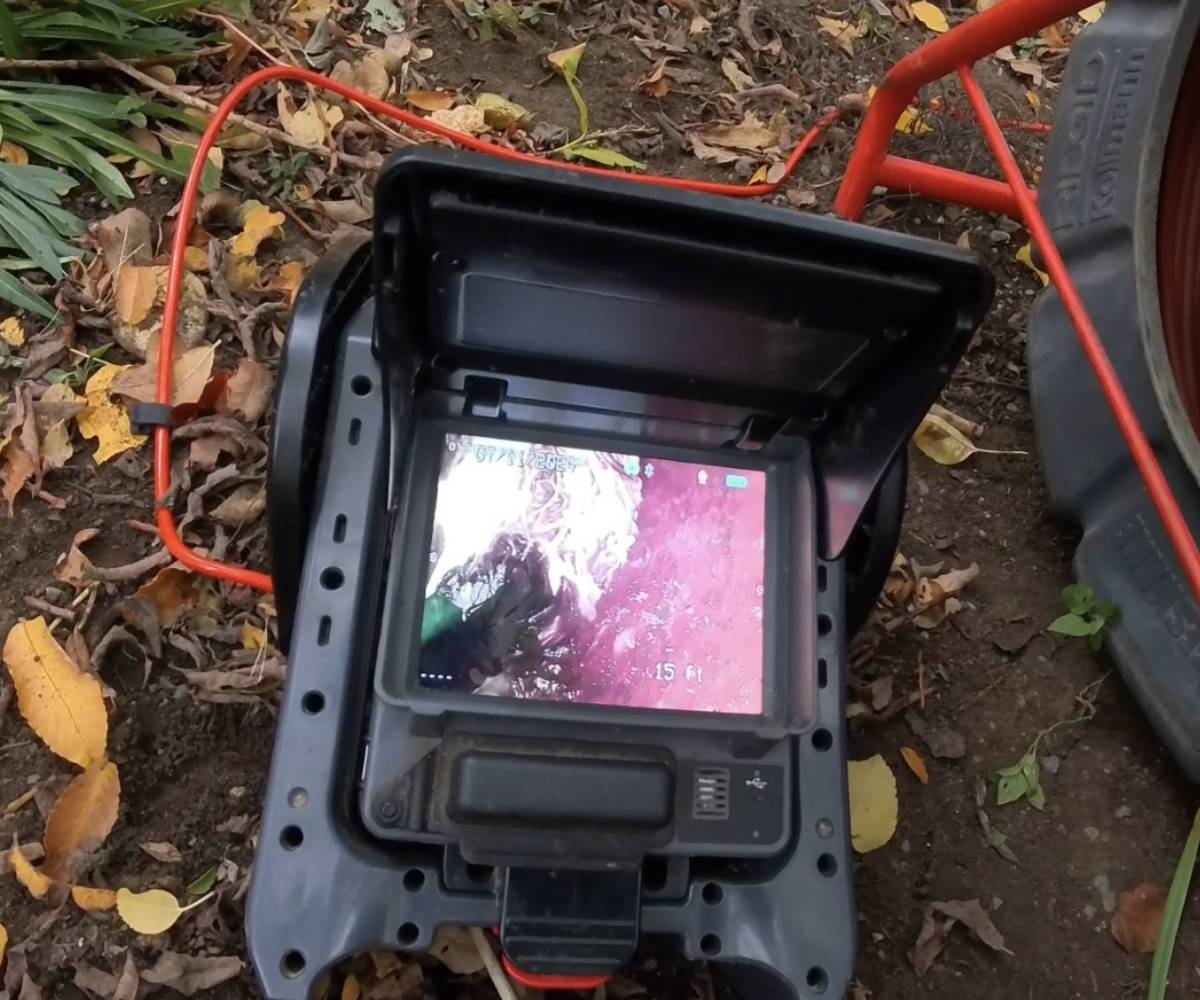
- Hire a licensed specialist for a video sewer scope from the house to the municipal connection, capturing full footage.
- Request documentation on pipe material, age, joint conditions, root intrusions, cracks, blockages, or offsets.
- Check for grease buildup, scale, or deposits indicating poor maintenance and future clog risks.
- Test for leaks or infiltration using smoke, dye, or other methods, especially in older homes.
- Verify proper alignment, slope, and integrity—watch for “bellies” or sags common in hilly areas.
(Note: While documentation review is integral, these 17 points focus on active checks; review reports as outlined below.)
When to Hire a Specialist vs. Rely on the Home Inspector
Standard home inspections rarely include sewer scopes, as they require specialized cameras and expertise beyond general checks. A separate specialist is highly recommended, especially for older homes (pre-1980), properties with trees, history of backups, unclear maintenance records, inaccessible cleanouts, or unusual yard signs like green patches.
This upfront investment prevents larger losses from issues like blockages or backflow and ensures thorough assessment beyond general inspections.
How to Use the Inspection Results: Negotiation & Decision-Making
Armed with inspection findings, negotiate effectively: request seller-funded repairs or escrow holds for fixes. For minor issues like early root growth, plan budgeted maintenance. Major problems, such as full collapses, might warrant walking away.
A clean report enhances resale value, supports insurance claims, and offers long-term peace of mind, ensuring your Seattle home remains a sound investment.
Conclusion & Why KnightRooter Is Your Sewer Inspection Partner
In Seattle’s market of charming older homes and unpredictable weather, skipping a sewer inspection invites unnecessary risks. This 17-point checklist empowers buyers to uncover hidden threats, preserving property value and peace of mind. Due diligence here ensures a smooth transition into homeownership.
For reliable expertise, choose KnightRooter as your partner. With years of local experience, we provide comprehensive sewer scopes, detailed video reports, and tailored solutions for Seattle’s unique challenges. Contact KnightRooter today for your inspection and enjoy lasting confidence in your home purchase.
Explore More Resources
For more information on sewer line maintenance and repair, visit our service pages:
- Camera Inspection Everett
- Camera Inspection Edmonds
- Camera Inspection Seattle
- Camera Inspection bothell
- Camera Inspection Kirkland
- Camera Inspection Lynnwood
- Camera Inspection Woodinville
- Camera Inspection Snohomish
- Camera Inspection Bellevue
AFQ
1. Do I always need a sewer scope before buying a house?
Not mandatory, but highly recommended in Seattle due to common issues in older infrastructure—skipping it risks hidden problems.
2. What types of sewer problems are most common in Seattle area homes?
Root intrusions, cracks in clay pipes, blockages from grease or debris, sags in lines due to terrain, and leaks from soil shifts.
3. Can we rely on the general home inspection for sewer condition?
No—standard inspections miss underground lines; a dedicated scope is essential.
4. What happens if the sewer inspection reveals major issues?
Use it to negotiate repairs or credits; severe cases may lead to backing out of the deal.
5. Is pipe material important—how can I know what type it is?
Yes, older materials like clay or cast iron are prone to failure; a scope inspection identifies them.
6. How often should sewer inspection be repeated after purchase?
Every 2-5 years for older homes, or sooner if symptoms like slow drains appear.
7. What if the home has a septic system instead of city sewer?
Similar checks apply, but focus on tank condition and leach field—consult local regulations.
For professional and fast drain cleaning Bothell, drain cleaning Seattle, and drain cleaning Bellevue, contact KnightRooter. Our team is ready to provide the best solutions for your drain issues.

No comment yet, add your voice below!